The Complete Handbook of Aquatic Plants
Selection, installation, care, and business strategy for ponds, aquariums, and water gardens
★★★★★4.0 · 1 reviewby Alumigogo Books
non-fiction
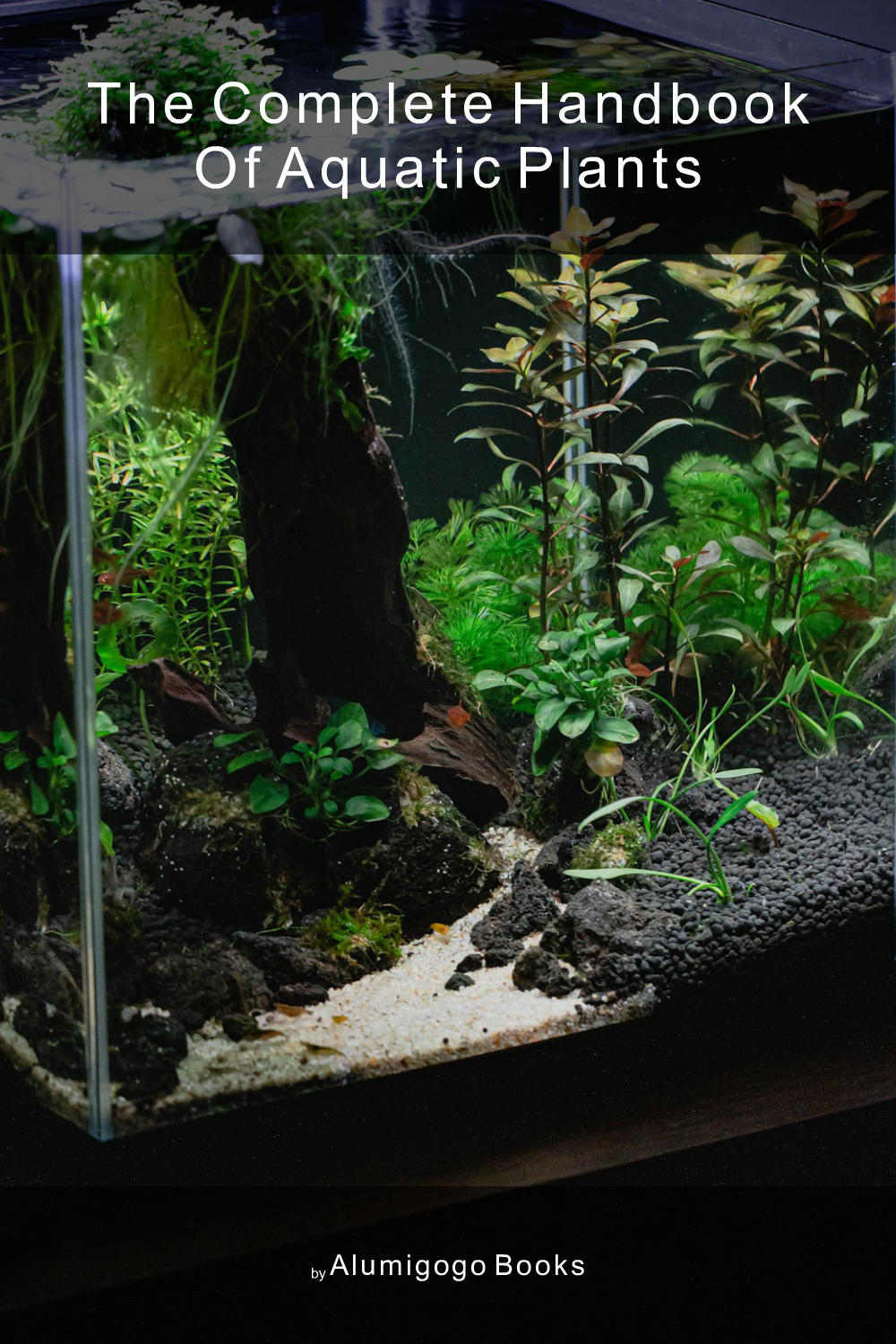
The Complete Handbook of Aquatic Plants
Selection, installation, care, and business strategy for ponds, aquariums, and water gardens
★★★★★4.0 · 1 reviewby Alumigogo Books
non-fiction
A field-grade reference for choosing, planting, and managing aquatic plants in ponds, aquariums, and water gardens.
🔒Secure checkout via Stripe
Labor Day Sale
$9
About this book
Aquatic plants are not decoration; they are the working components of a balanced aquatic ecosystem. They consume nutrients, shade the water column, oxygenate the substrate, and provide breeding and feeding grounds for fish and invertebrates. Getting them wrong means algae blooms, dead plants, and costly replanting. Getting them right requires knowing how each plant type behaves across seasons, water chemistries, and planting depths.
This handbook is written for people who do the work: landscape contractors building backyard ponds, aquarium retailers stocking planted tanks, public garden staff maintaining water features, and serious hobbyists who want results rather than guesswork. It covers the full lifecycle of aquatic plants, from identifying the major functional groups and reading a nursery tag, to planting techniques for different container types, to diagnosing chlorosis, crown rot, and invasive spread. It also includes a dedicated chapter on the business of aquatic plants: how to source from growers, price service contracts, and build a recurring revenue model around pond maintenance.
The content is organized for quick reference, with specifications, troubleshooting tables, and decision frameworks you can use on site or in the shop. It deliberately avoids brand hype and aesthetic trends, staying focused on what works across different climates and water conditions. Whether you are managing a koi pond, a commercial aquascape, or a municipal stormwater wetland, this handbook gives you the working knowledge to make better decisions and fewer mistakes.
Reader Reviews
Jonathan Hill
★★★★★I've been building water features professionally for about six years and I still picked up some useful specifics here, especially around substrate depth values and how to read a nursery tag properly. The chapter on business opportunities was more practical than I expected - the service contract framework alone is worth the price. It's not a flashy book and the prose is dry, but that's what I wanted. Deducting one star because the troubleshooting section could've been organized better as actual tables rather than long paragraphs when you're trying to diagnose something pondside.