The Complete Handbook of Breadsticks
A comprehensive reference for food manufacturers, restaurant operators, distributors, and serious home bakers who need practical knowledge of breadstick production, procurement, and quality control.
★★★★★4.0 · 7 reviewsby Alumigogo Books
non-fiction
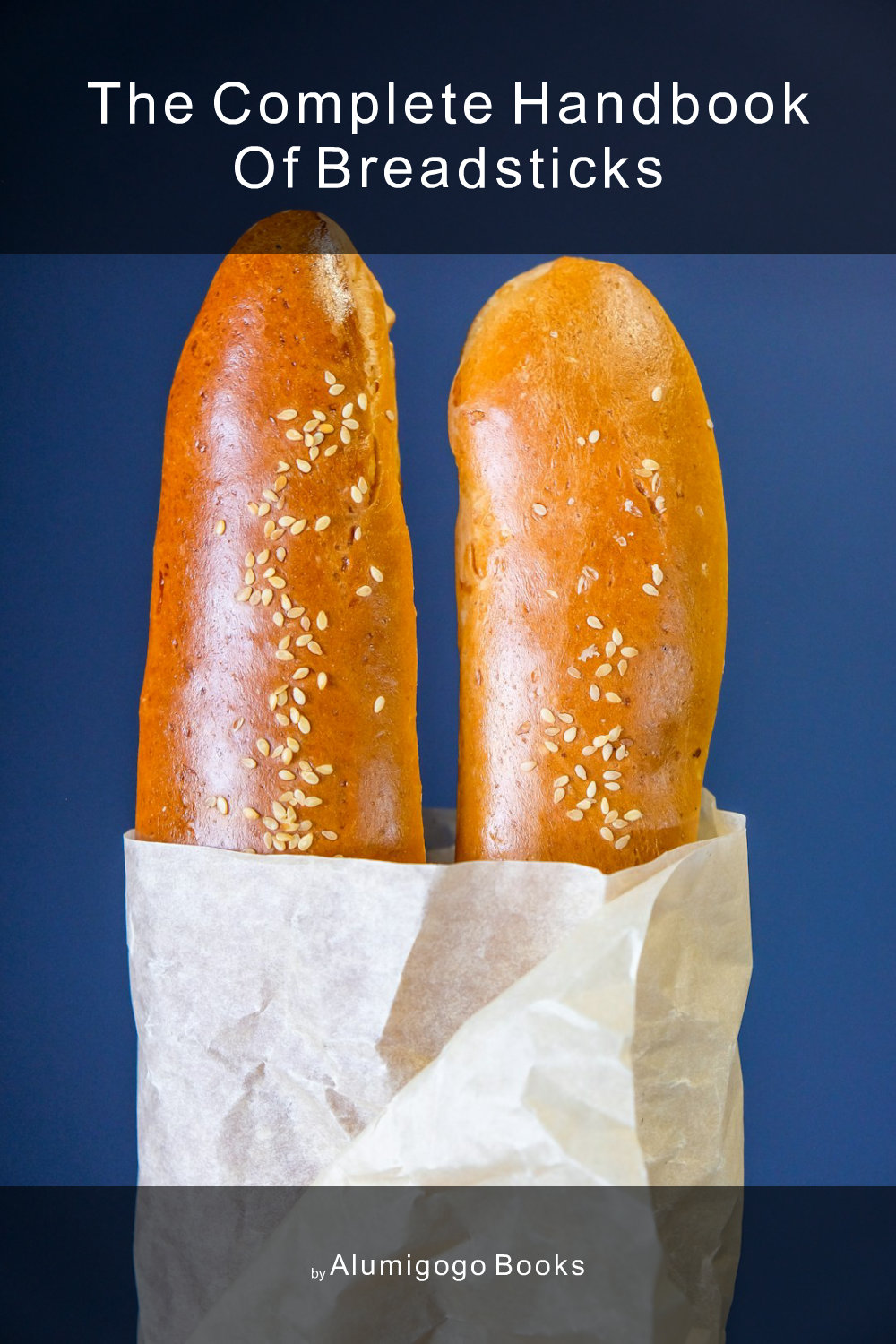
The Complete Handbook of Breadsticks
A comprehensive reference for food manufacturers, restaurant operators, distributors, and serious home bakers who need practical knowledge of breadstick production, procurement, and quality control.
★★★★★4.0 · 7 reviewsby Alumigogo Books
non-fiction
The definitive technical reference on breadstick production, quality, and commerce, for professionals who need facts, not marketing.
🔒Secure checkout via Stripe
Labor Day Sale
$9
About this book
Breadsticks may appear simple, but their production involves precise control of gluten development, water activity, and drying conditions. This handbook strips away the mystique and provides a rigorous, practical overview of the entire category, from the chemistry of dough to the economics of private-label retail distribution. It covers the many formats, from thin and brittle to soft and chewy, and explains the specifications for texture, color, and flavor that matter when evaluating a product for a menu, a shelf, or a supply agreement.
It includes critical guidance on choosing the right product for specific uses, whether you are outfitting a bread basket for a 200-seat restaurant, launching a retail line, or sourcing an ingredient for a foodservice operation. The chapters on maintenance and troubleshooting detail the most common problems, such as checking, cracking, and staleness, with concrete causes and remedies. For those seeking commercial opportunities, it offers a realistic assessment of wholesale, private-label, and specialty markets.
This is not a recipe book or a vendor brochure. It is a working reference, grounded in standard practices and measurable outcomes, for the professional who needs reliable information to make purchase decisions, manage quality, and solve problems on a production line.
Reader Reviews
Jennifer Gonzalez
★★★★★I run a mid-sized bakery and I've been looking for something that actually explains the 'why' behind breadstick quality, not just a list of recipes. The chapter on dough science alone was worth the price - it cleared up why our thinner sticks were checking in the center. It reads like a technical manual but doesn't put you to sleep. I've already flagged a dozen pages for my production manager to review.
John Johnson
★★★★★As a foodservice buyer, I deal with vendor reps who all claim their breadsticks are the best. This book gave me the actual specifications - moisture content, breaking strength, oil percentage - to hold a supplier accountable. The troubleshooting section saved me from a bad batch of 5000 boxes. Highly recommend for anyone who is tired of relying on sales pitches.
Patricia Baker
★★★★★It's a thorough book, and I respect the effort, but it felt heavier on the industrial production side than I needed as a small artisan baker. The chapters on choosing and usage are helpful, but the maintenance section assumes you have equipment like a tunnel dryer that I will never own. I got a few useful ideas, but it sometimes felt like it was written for a factory floor, not a craft bakery.
Thomas Baker
★★★★★Good solid reference, my one gripe is that the chapter on suppliers could have included more specific names and contact strategies, though they do explain ''how'' to find them. The sections on shelf life and packaging were incredibly practical and helped me adjust my own product's packaging to extend its crispness. It's a lot of detail-packed prose, so it's not a casual read, but it's very effective.
Angela King
★★★★★I found the material accurate, but the tone is extremely dense. It's labored and dry in places - I know that's a technical handbook, but a few more practical examples would have helped. The parts about the difference between par-baked and fully dried sticks were useful for my restaurant. I got a few good things out of it, but I wouldn't recommend it to a novice home baker.
Susan King
★★★★★Finally, a book that covers the retail shelf-life question I've been dealing with for a year. The explanation of water activity and how it differs from moisture percentage is worth the whole chapter. I do wish there were more photos or diagrams of defects, but the descriptions of the problems were clear enough to set us on the right track. A great reference to keep on the office shelf.
Deborah Flores
★★★★★I was mainly interested in the business opportunities chapter, and it didn't disappoint. It covered private-labeling requirements honestly - more the distribution setups and margins - and included the pros and cons of renting commercial drying racks, which I hadn't considered. It's a resource to dip into rather than a page-turner, but it's well-indexed and comprehensive. I feel much more prepared to pitch my concept to a local co-packer.