The Complete Handbook of Camera & Optic Replacement Cables
A practical field guide for professionals and serious hobbyists: how to select, install, maintain, and source the right replacement cables for cameras, lenses, and optical instruments.
★★★★★3.5 · 2 reviewsby Alumigogo Books
non-fiction
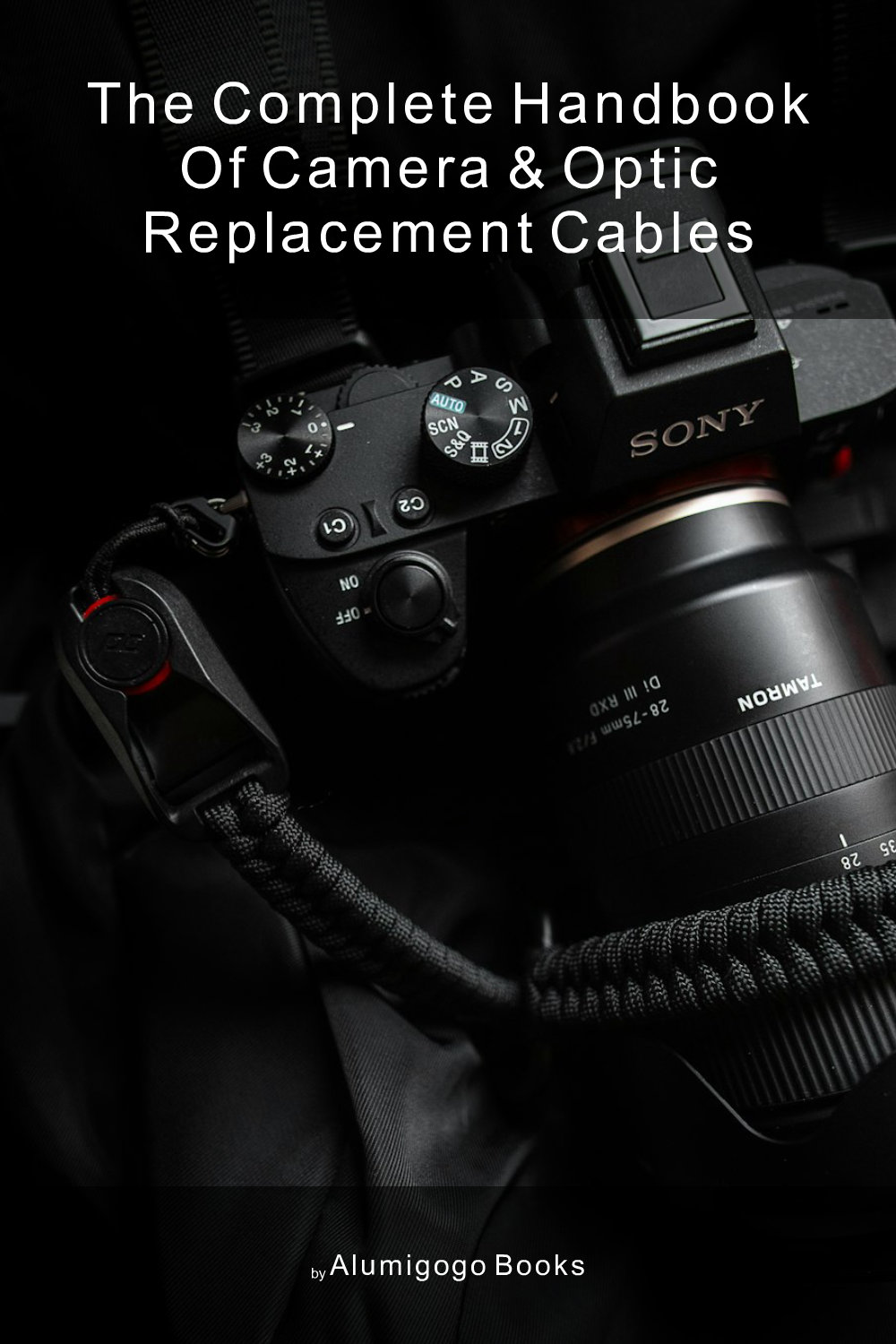
The Complete Handbook of Camera & Optic Replacement Cables
A practical field guide for professionals and serious hobbyists: how to select, install, maintain, and source the right replacement cables for cameras, lenses, and optical instruments.
★★★★★3.5 · 2 reviewsby Alumigogo Books
non-fiction
The practical reference for anyone who buys, installs, or services camera and optic replacement cables—no fluff, just specs, procedures, and real-world guidance.
🔒Secure checkout via Stripe
Labor Day Sale
$9
About this book
A dead battery is annoying. A failed cable mid-shoot can cost you a client. Camera and optic replacement cables look simple, but they are precision components with strict electrical, mechanical, and environmental requirements. This handbook gives you the knowledge to choose, install, and maintain them correctly the first time, whether you are a one-person operation or a broadcast engineering department.
This is not a rehash of manufacturer marketing. It breaks down the actual specifications that matter—impedance, conductor count, shielding type, connector finish, and strain relief design—and explains how they translate into real-world reliability. You will find clear chapters on selecting the right cable for your specific camera system, step-by-step installation procedures, and a troubleshooting section that addresses the most common failure modes, from intermittent connections to bent pins.
For those who see an economic angle, there is also a dedicated chapter on business opportunities: reselling, servicing, bulk sourcing, and private-labeling. The final chapters look at emerging connector standards and where the industry is headed. Whether you are a working pro or a serious enthusiast, this book should sit on your bench next to your multimeter and lens cleaning kit.
Reader Reviews
Jennifer Brown
★★★★★Well, we've been getting by on guesswork and spare cables for years, so this was a useful reality check. The maintenance chapter alone is worth it—I've already used the continuity test method and it found a bad cable I'd been blaming a monitor for. The specs chapters got pretty deep for me, and I still buy by trial and error sometimes. But I can't argue with the fact that it's accurate, practical, and has already saved me a headache on a live shoot. Good book for the shelf.
George Carter
★★★★★I was hoping for a quick reference, and it is that, but it's also a lot more than I expected. Chapter one really gets into the weeds about why cables fail—pins, shielding, that sort of thing—which is great for engineers but maybe overkill for an enthusiast like me. I did appreciate the concrete examples about rigging and strain relief. The business chapter felt a little out of place for a reference book, but I can see it being useful for a different audience. Overall, it's a solid, dense handbook, just not exactly what I'd call a light read.