The Complete Handbook of Cat Apparel
A field manual for professionals, retailers, and serious owners covering selection, fitting, care, and the business of cat clothing
★★★★★4.2 · 5 reviewsby Alumigogo Books
non-fiction
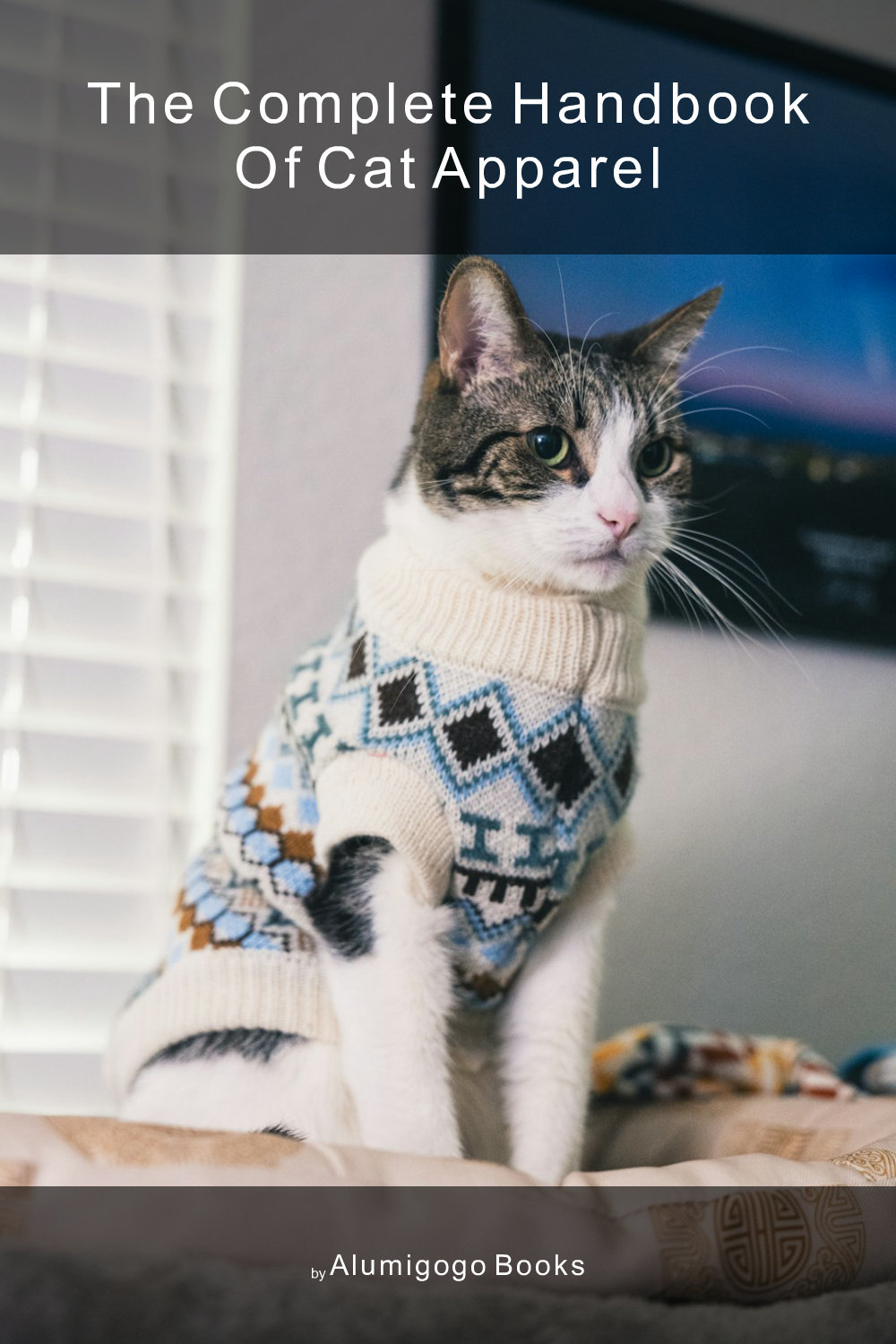
The Complete Handbook of Cat Apparel
A field manual for professionals, retailers, and serious owners covering selection, fitting, care, and the business of cat clothing
★★★★★4.2 · 5 reviewsby Alumigogo Books
non-fiction
The only field manual on cat apparel: fitting, safety, materials, troubleshooting, and business strategy. Written for professionals, not hobbyists.
🔒Secure checkout via Stripe
Labor Day Sale
$9
About this book
Cat apparel is not a novelty business; it is a functional category with genuine clinical and behavioral applications. Recovery suits protect surgical incisions without Elizabethan collars; thermal wear protects hairless breeds during transport; anxiety wraps apply consistent pressure. Yet the market is flooded with ill-fitting garments that chafe, restrict movement, or become entanglement hazards. This handbook provides the structured, technical knowledge to choose and use these products correctly.
The book is organized for field use. The first three chapters give you the anatomical and material science context for why cats tolerate certain garments and reject others, followed by a specification system for evaluating any product on the market. The middle chapters are procedural: step-by-step fitting guides, introduction protocols, and a maintenance and troubleshooting section that addresses specific failures — from seam irritation to closure failures to overheating. Later chapters cover the supply chain, including a frank assessment of brand positioning and documented business opportunities in manufacturing, reselling, and consulting.
Written in neutral, plain language and organized for rapid reference, this is the book a veterinary practice orders for its technicians, a pet product buyer keeps on their desk, and a serious breeder recommends to new owners. It covers the entire category, from $5 knit sweaters to $200 custom orthopedic recovery garments, giving you the criteria to judge any product against measurable standards. The final glossary and FAQ sections fix the vocabulary for the industry and answer the questions customers actually ask.
Reader Reviews
Jacob Martinez
★★★★★I run a cat rescue and had written off apparel as a gimmick until I read this. The chapter on post-surgical recovery suits changed how we handle spay/neuter aftercare — the specifications on fabric weight and seam placement saved us from another round of chafing incidents. I bought three copies for our volunteers. It reads like a real manual, not a fluff piece.
Matthew Gonzalez
★★★★★Solid reference, exactly what it claims to be. The troubleshooting chapter saved me a call to the manufacturer when a closure failed on one of our show cats' garments. Only reason it's four stars instead of five is that I would have liked more photographs of the fitting process — the text is clear, but some of us are visual learners.
Linda Miller
★★★★★I'm a boutique owner and the business advice in here is more realistic than most trade articles. The technical chapters are detailed, maybe too detailed for me — I skipped ahead when they got into gram weights and seam burst strength. Fine for a vet or a manufacturer, but if you just want to stock a small rack of sweaters, you might not need all the engineering talk.
Thomas Rodriguez
★★★★★As a vet technician, this is the book I've needed for years. The safety standards chapter alone is worth the price — we had a near-miss with a cheap recovery suit from an online marketplace that had no breakaway release, and this book gave me the exact language to explain to the clinic manager why we don't order those anymore. The maintenance section has been dog-eared already. This belongs in every clinic's staff library.
Thomas Jackson
★★★★★Very useful, comprehensive, and responsibly cautious. The authors clearly did their homework with the feline anatomy sections. My minor complaint is that the future trends chapter feels a bit speculative compared to the rest — the chapters on selection and troubleshooting are so precise that the forward-looking part seems soft in contrast. Still, I'll be recommending it to my breeder colleagues.