The Complete Handbook of Chicory
A Field Guide for Growers, Buyers, and Culinary Professionals
★★★★★4.3 · 7 reviewsby Alumigogo Books
non-fiction
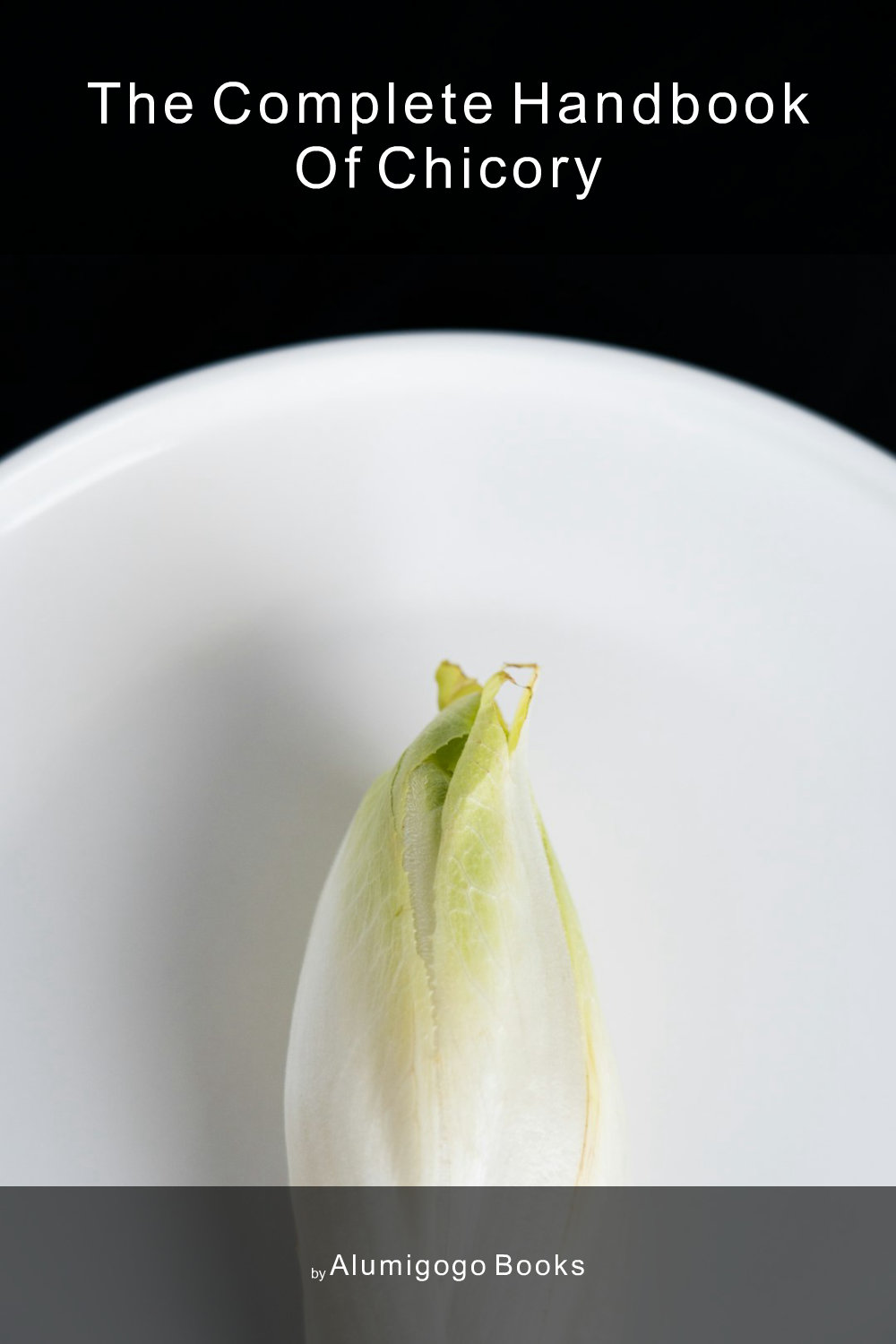
The Complete Handbook of Chicory
A Field Guide for Growers, Buyers, and Culinary Professionals
★★★★★4.3 · 7 reviewsby Alumigogo Books
non-fiction
From forcing shed to salad case: the complete practical reference for growing, selecting, storing, and selling chicory.
🔒Secure checkout via Stripe
Labor Day Sale
$9
About this book
Chicory is not one thing. It is a bitter green, a forced winter vegetable, a coffee substitute, and a cover crop - and the commercial differences between those products are vast. This handbook gives produce professionals, growers, and culinary buyers a single authoritative reference on the entire category: the botany that links all the forms, the precise specifications used in wholesale and retail trade, and the handling practices that separate fresh, marketable product from a bitter, wilted loss.
The book walks readers through the major types and cultivars - Belgian endive (witloof), the radicchio family, sugarloaf, catalogna, and root chicory - and explains exactly what to look for when buying and what to do after purchase. It covers forcing techniques for endive, field management for radicchio, storage and temperature protocols, and troubleshooting guides for the problems that occur most often: premature bolting, brown core, tip burn, and post-harvest decay. For those looking beyond growing or buying, a dedicated chapter maps the commercial landscape - wholesale channels, value-added processing (fresh-cut, jarred, roasted), and specialty retail opportunities.
Written in neutral, plain language with no vendor bias, the handbook draws on established horticultural practice and real-world commercial specifications. It is formatted for quick consultation, with clear chapters, functional checklists, and a glossary of trade terms. Whether you are a produce manager evaluating a shipment of radicchio, a farmer planning a forcing schedule, or a chef sourcing chicory for a winter menu, this is the reference to keep on the shelf.
Reader Reviews
Matthew Allen
★★★★★Solid, factual book. The botanical grounding in the first chapter makes the rest of it make sense, which I appreciated. I dock it one star because I wish there was more depth on the actual agronomic side - the growing recommendations feel a bit general compared to the excellent post-harvest and purchasing detail. Still, as a chef who buys a lot of endive and radicchio, I feel like I can now have an informed conversation with my suppliers. Recommended.
Jonathan Wilson
★★★★★Finally, a reference that treats chicory like a serious crop instead of a garnish. I run a specialty produce wholesale operation and the specifications chapter alone paid for the book - we've already tightened up our buying criteria for radicchio based on the visual quality points it details. The troubleshooting guide for forced endive rot is spot on; it saved a whole forcing cycle this winter. This is going to live on my desk, not on a shelf.
Kimberly Nelson
★★★★★As someone who teaches vegetable cookery, I've always had to piece together information on chicory from random sources. This handbook consolidates everything into one place that actually reads well. The chapter on understanding the crop is the first time the relationship between the root chicory and the forced endive has been explained in a way I could follow without a botany degree. I've already used the storage table in my own kitchen and recommended the book to other culinary instructors.
Gary Torres
★★★★★The information is accurate as far as I could verify, and it's well-organized. But I was hoping for a more grower-focused manual. As a small farmer, we already know the basic techniques for planting radicchio and forcing endive; I bought this hoping for advanced troubleshooting in the field, and the crop maintenance chapter felt a bit too introductory. The commercial specifications and the business opportunities sections are interesting, but those aren't really my focus. It's a decent reference, just not what I personally needed.
Susan Nguyen
★★★★★I bought this for the restaurant side of things - we wanted to add more bitter greens to the menu. The differences between radicchio types and how bitterness varies between varieties and seasons were exactly what I needed to spec better product and work with our farm supplier. The section on choosing the right chicory is really useful and helped me stop guessing. The writing is dry, but this is a handbook, not a coffee table book. That's fine by me.
Kathleen Walker
★★★★★This is the reference book the industry has been missing. I'm a produce manager at a higher-end grocery store, and I have to make sense of wildly different-looking items - hard, blush-red radicchio heads, pale and tender Belgian endive, those big leafy sugarloaf heads - and explain them to customers and ordering systems. This book explains the whole family in a clear, practical way. The storage and handling section is accurate; our shrink on chicory items dropped noticeably after I showed the produce team the proper storage chart.
Amanda Jones
★★★★★Reads like a proper textbook - in the good sense of the word. It's thorough, grounded, and avoids the fluff you see in most food books. I appreciated the level of detail on commercial grading specs, since I'm new to the wholesale side of the business. Only minor complaint is that the bibliography references generic 'extension resources' in the future trends chapter instead of listing specific current publications by name, which I would have preferred to chase down. Otherwise, very useful.