The Complete Handbook of Figurines
A practical reference for buyers, sellers, and collectors of decorative figurines, covering materials, manufacturing, evaluation, and care.
★★★★★3.8 · 6 reviewsby Alumigogo Books
non-fiction
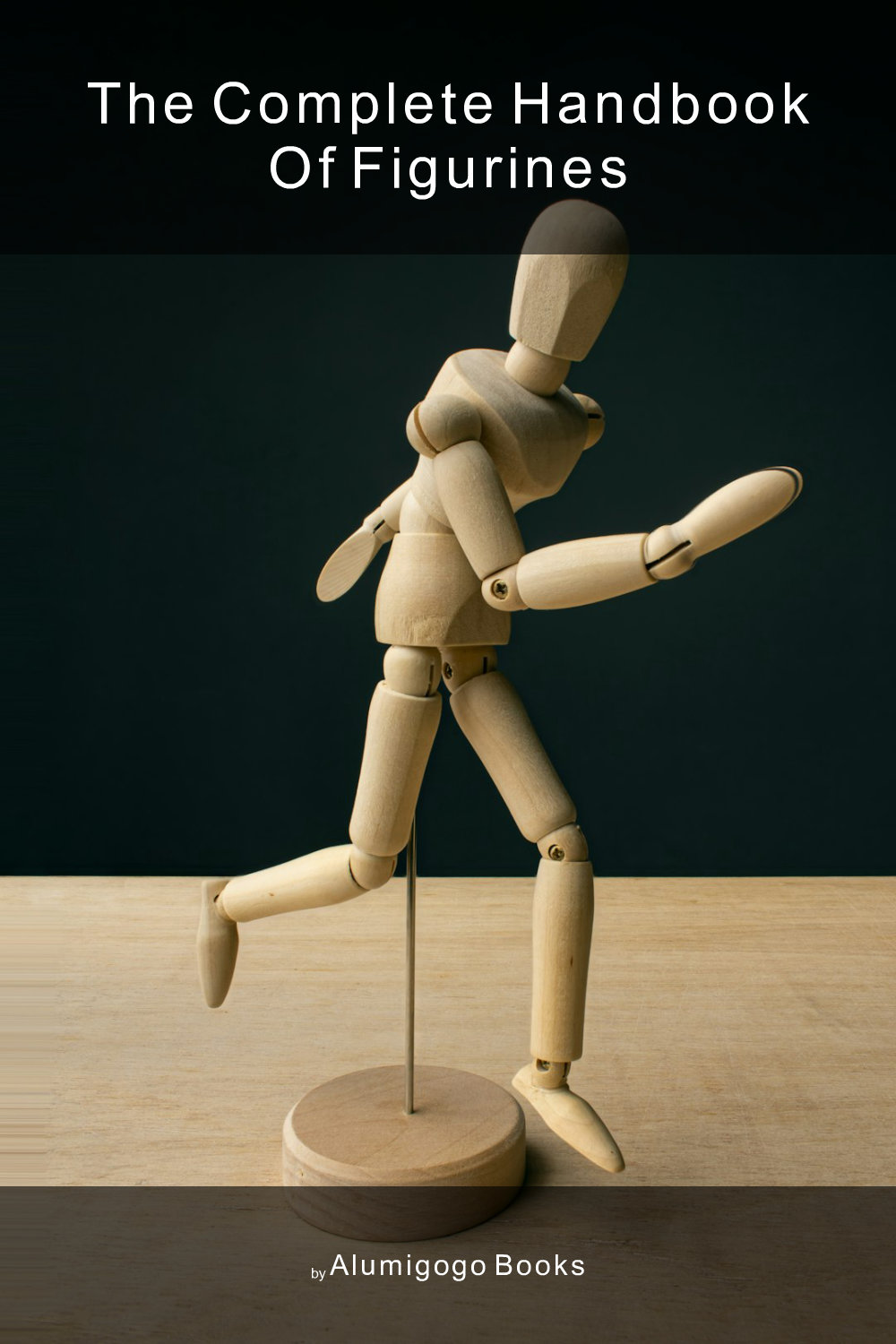
The Complete Handbook of Figurines
A practical reference for buyers, sellers, and collectors of decorative figurines, covering materials, manufacturing, evaluation, and care.
★★★★★3.8 · 6 reviewsby Alumigogo Books
non-fiction
How to evaluate, buy, and care for figurines: materials, manufacturing, grading, and market context for professionals and serious collectors.
🔒Secure checkout via Stripe
Labor Day Sale
$9
About this book
For every figurine on a shelf, there is a chain of decisions to understand — the choice of material, the molding and firing process, the quality of the hand-painted or sprayed finish, and the condition that dictates its value. The Complete Handbook of Figurines breaks down each of these links in a neutral, practical way. You will learn to distinguish a true hand-painted porcelain piece from a cold-cast resin imitation at a glance, and you'll know why that distinction changes both its care requirements and its market price.
This is not a catalog of cute collectibles. It covers the mechanical fundamentals of slip casting and injection molding, the chemistry of glazes and paints, and the structural weaknesses to inspect for in any given material. It then moves into operational territory: how to handle and pack pieces safely, how to maintain them in shop conditions or in a private collection, and how to repair common damage without destroying value. A full section on the business of figurines covers reselling, appraising, private-label manufacturing, and sourcing — with the concrete terms and criteria you need to negotiate with buyers and suppliers.
The handbook is organized in nine practical chapters, from understanding the product through maintenance and troubleshooting, and ends with a glossary of terms used by manufacturers, appraisers, and collectors. Whether you are buying your first production run, appraising an estate, or trying to date a specific piece, this book provides a reliable reference to keep on your desk.
Reader Reviews
Betty Martinez
★★★★★This is the reference I wish I'd had when I started doing estate sales. The chapter on understanding production methods alone has saved me from misidentifying a cold-cast piece as porcelain on three separate jobs. It's a bit dry in places, but it's a handbook, not a coffee-table book, so I expected that. The maintenance chapter has already been dog-eared.
Jessica White
★★★★★I'm a gift shop buyer, and I got this to help me evaluate what we're being pitched by suppliers. The material breakdowns are practical — now I understand why some cheaper resin pieces are a liability with our clientele. I docked a star because I'd have liked a few more checklists in the buying chapter, but the pricing and sourcing logic is sound.
Jessica Green
★★★★★Finally, a serious book on figurines that treats you like a professional. As an appraiser, I'm tired of glossy books that only show pretty pictures. The sections on grading condition and understanding what a firing flaw actually means have directly helped me write more accurate reports. It's now my first recommendation to anyone entering this side of the market.
Emily Thomas
★★★★★There's a lot of good information here, but at times it reads more like a manufacturing textbook than a handbook I'd reach for to quickly solve a problem. The troubleshooting chapter is great, but I wish the troubleshooting chapter was first so I could find things faster. It's comprehensive, but maybe a bit too academic for my taste as a store owner.
Ronald White
★★★★★The content is solid, especially the chapter on different materials and why they matter. But the business chapter feels a little out of date with the current online reselling platforms, and the glossary is short. I was also not a fan of the tone in parts; it's very clinical. Solid as a reference, but be prepared for a very dry read.
Matthew Hernandez
★★★★★As a hobbyist who started collecting vintage pieces, the chapters on maintenance and troubleshooting are worth the price alone. I managed to repair a small paint crack on a 70s Lladro-style piece and it came out great. The book made me realize the difference between a 'manufacturing flaw' and 'damage,' which helped me better understand my own collection.