The Complete Handbook of Japanese Traditional Dolls
A Professional's Field Guide to Identification, Evaluation, Care, and Commerce
★★★★★3.8 · 4 reviewsby Alumigogo Books
non-fiction
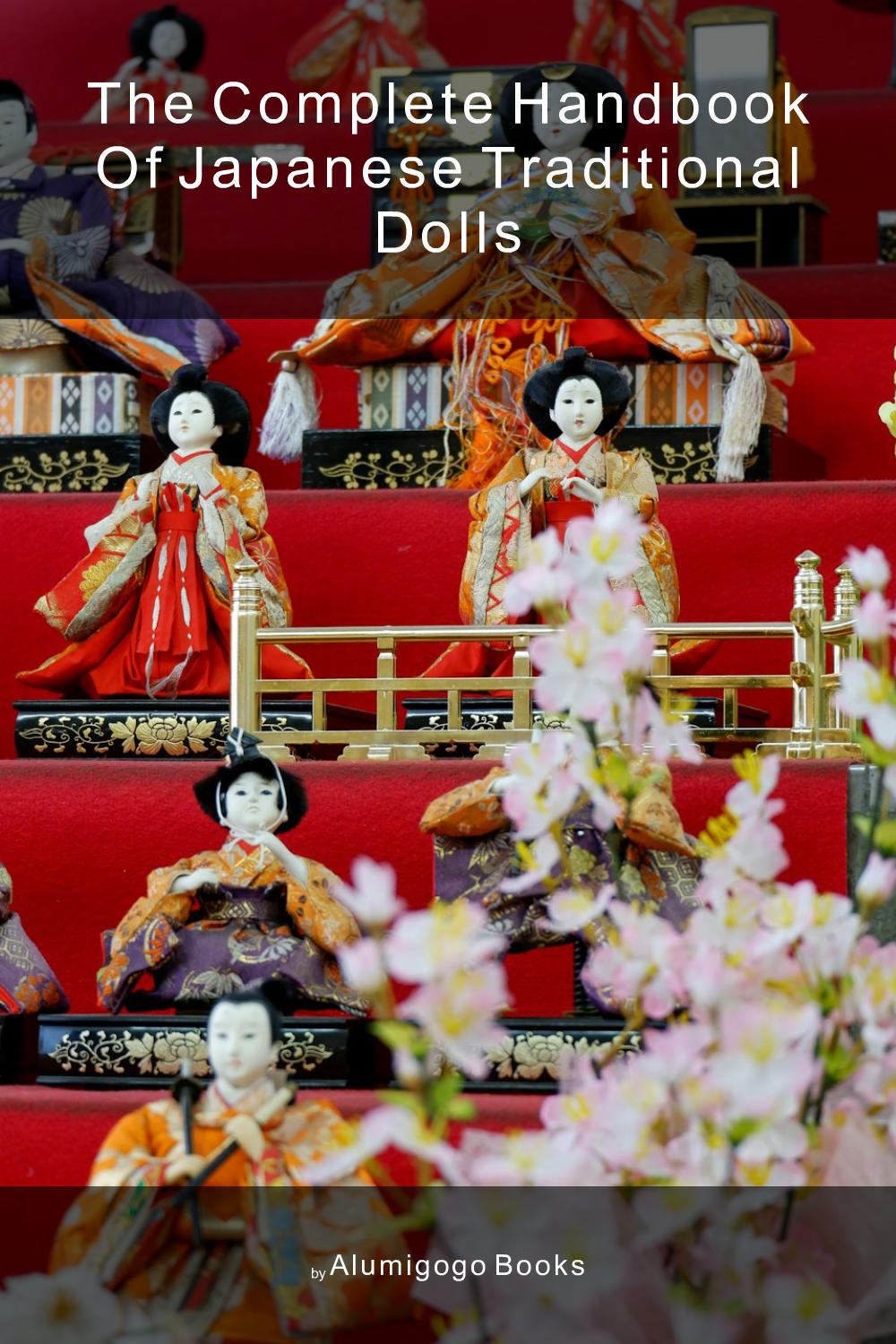
The Complete Handbook of Japanese Traditional Dolls
A Professional's Field Guide to Identification, Evaluation, Care, and Commerce
★★★★★3.8 · 4 reviewsby Alumigogo Books
non-fiction
The complete professional reference for identifying, evaluating, maintaining, and trading Japanese traditional dolls.
🔒Secure checkout via Stripe
Labor Day Sale
$9
About this book
Japanese traditional dolls (ningyo) are a complex category encompassing over forty distinct types, multiple construction techniques, and a market that spans antique auction houses, modern craft galleries, and wholesale import channels. This handbook distills that complexity into a structured, practical reference. It begins with a foundational understanding of what these dolls are - the materials, the construction methods, the regional variations, and the cultural contexts that determine their value - and then moves through every step of professional engagement: identification, condition assessment, correct handling and display, maintenance and repair, and the commercial channels for buying and selling.
The book includes detailed specifications for major types such as hina dolls, gogatsu dolls, musha dolls, and kokeshi, with attention to the specific features that matter to professionals: wood types, pigment systems, textile origins, and age-verification markers. Maintenance protocols cover climate control, pest prevention, textile preservation, and common repair techniques without requiring specialist training. The business chapters address sourcing strategies, wholesale pricing structures, exhibition and rental operations, and restoration services as stand-alone revenue streams.
Written in a neutral, instructional tone with concrete examples throughout, this handbook is designed as a working tool rather than an art book. It contains no marketing language and no vague advice. Every claim is specific enough to apply directly to a real object in your hand or a real transaction on your desk.
Reader Reviews
Joshua White
★★★★★I run a mid-size auction house and this is the first reference that actually helps me triage lots. The chapter on types and specifications alone saved me from mislabeling a Showa-era hina set as Meiji. The maintenance section also caught a textile pest issue I'd been missing on consigned pieces. It reads like a working manual, not a coffee-table book, and that's exactly what I needed.
Emily Jackson
★★★★★The information is solid and well-organized, but I found the writing a bit dry and repetitive in the early chapters. The chapter on understanding what these dolls are goes into a lot of depth on regional variations that felt like it could have been a table, and the business chapter felt light on actual numbers. As a serious hobbyist, I still got a lot out of it, but I would have liked more visual references and case studies.
Sharon King
★★★★★I bought this when I started a small kokeshi resale operation and the chapter on sourcing and business opportunities was worth the price alone. The out of print resources and fragmented forums were no substitute for having the grading and authentication criteria in one place. My only real gripe is that the binding of my copy is already showing wear, which seems ironic for a book about handling fragile objects carefully. Content wise though, it's been a constant reference.
Anthony Lopez
★★★★★Useful as a desk reference, but it does not quite live up to the 'complete handbook' billing. The focus is heavily on hina dolls and larger display pieces; I was hoping for more detail on smaller novelty categories like musha and modern art dolls. The chapter on troubleshooting common problems is genuinely useful and well written, but the earlier chapters felt like they could have been tightened up. I will keep it on the shelf, but it is not the only reference I use.