The Complete Handbook of Kumquats
A Practical Reference for Growers, Buyers, and Processors of Fresh and Preserved Kumquats
★★★★★3.8 · 5 reviewsby Alumigogo Books
non-fiction
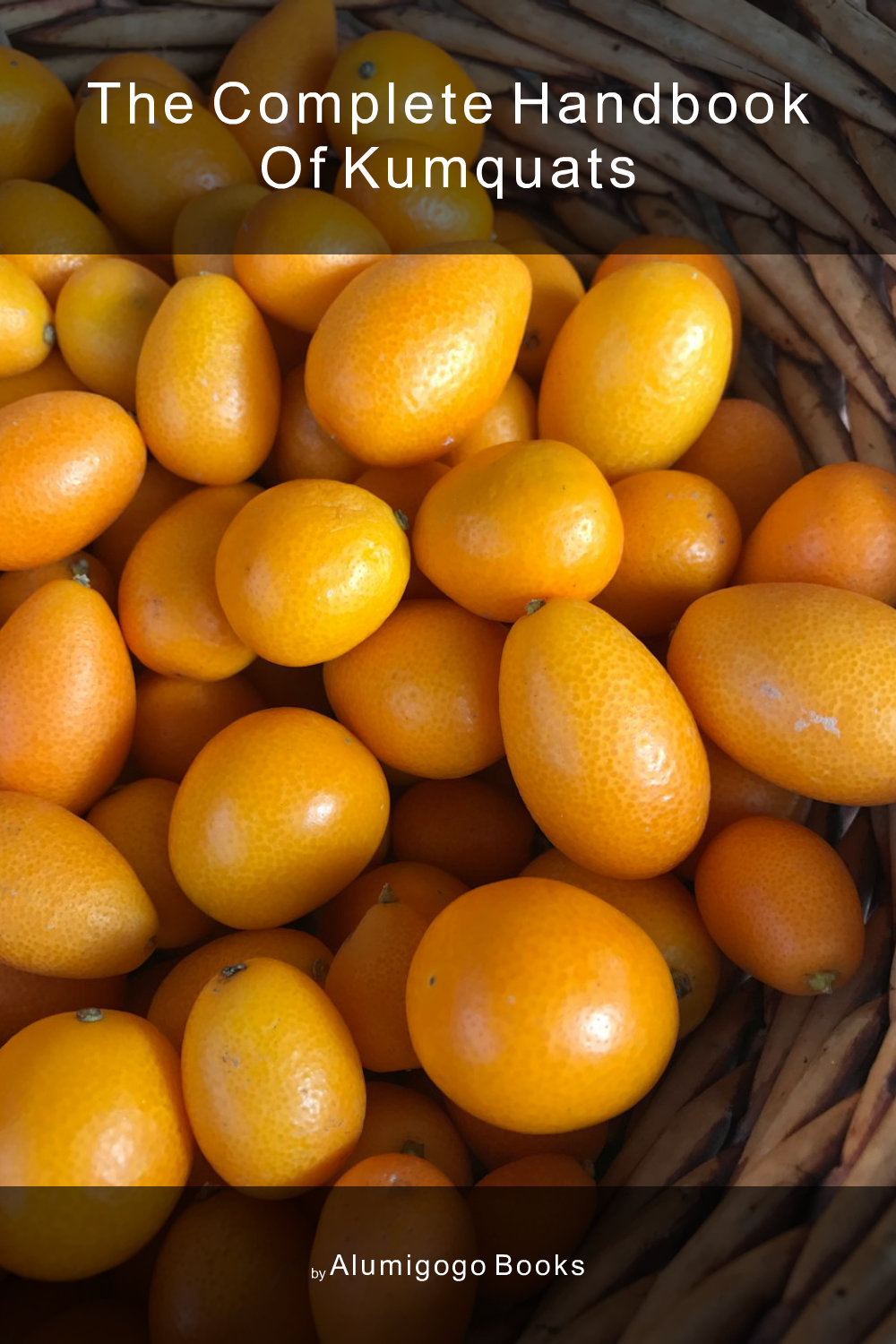
The Complete Handbook of Kumquats
A Practical Reference for Growers, Buyers, and Processors of Fresh and Preserved Kumquats
★★★★★3.8 · 5 reviewsby Alumigogo Books
non-fiction
The definitive technical reference for cultivating, evaluating, and marketing kumquats. No fluff, just practical specifications.
🔒Secure checkout via Stripe
Labor Day Sale
$9
About this book
Kumquats are a unique citrus fruit, consumed whole with their sweet rind and tart pulp, but their commercial handling is governed by specific rules that differ from other citrus. This handbook cuts through the folklore and provides the hard specifications: which cultivars are suitable for fresh markets versus processing, what brix and acidity levels indicate peak ripeness, how to prevent skin pitting during cold storage, and how to evaluate a packing house's grading consistency. Whether you manage a commercial orchard, run a specialty produce buying program, or simply want to produce marketable fruit from a serious home planting, this book gives you the operating parameters you need.
The text covers the entire production chain, from soil and climate requirements and cultivar selection through harvest timing, post-harvest handling, and the regulatory landscape governing citrus movement. Later chapters detail realistic business models—wholesale supply, value-added preserves, nursery stock propagation, and retail direct-to-consumer channels—with a neutral assessment of the margins and risks involved. A dedicated maintenance and troubleshooting section addresses the most common diseases, storage failures, and fruit quality defects with diagnostic steps and remediation protocols.
Written for a professional audience, the handbook draws on published horticultural research, USDA and state agricultural data, and commercial practice. It avoids advertising language and subjective aesthetic judgments, focusing instead on measurable parameters and repeatable procedures. An extensive glossary and a structured FAQ provide quick reference for specific problems, while the chapter on future trends discusses emerging cultivars, mechanization, and changing regulatory requirements that will affect the industry over the next decade.
Reader Reviews
Anna Martinez
★★★★★I've been buying citrus for a specialty grocery chain for eight years, and the grading and specification chapter saved me from a bad import deal already. The brix and defect tolerance tables are exactly what I need to write better purchase orders. I docked one star because the chapter on organic production was a bit thin, but for the price, this handbook is a steal.
Donna Hall
★★★★★It's a solid reference, but I felt the tone was more geared to someone managing a hundred acres than a serious home grower with 15 trees. The troubleshooting chapter is genuinely helpful, and the storage parameters for the fruit are spot on. However, I wanted more on small-scale fermentation and value-added recipes, and those sections were pretty brief. I'll keep it on the shelf, but I wouldn't call it the 'complete' handbook.
Shirley Gonzalez
★★★★★As an extension agent, I see a ton of handouts with outdated spray schedules. This book is current, accurate, and the chapter on pest control timing is better than what I usually hand out. The culture and climate information is precise, and the troubleshooting section solved a melanose issue for a client last week. My only gripe is the binding, which is a little tight for a reference book you need to keep open.
Linda Young
★★★★★I bought this while planning a small commercial kumquat planting from scratch. The first chapter was great at setting expectations for yield and climate requirements, which I found realistic than most nursery catalogs. However, I felt the business opportunities chapter was a bit generic and read like a list of ideas rather than deep operational how-to. Still, the cultivation and harvesting details are the best I've found in one place, so it's worth the money.
Jason Robinson
★★★★★Finally, a kumquat book that treats me like a professional, not a gardener. I run a mid-size orchard in Florida, and the post-harvest handling and storage chapter alone is worth the cover price—we cut our cold storage losses in half just by following the degreening and humidity protocols. The cultivar comparisons are spot-on for our market, and the future trends chapter is a rare, grounded look at where the industry is actually going. This is the reference I'll hand to any new manager.