The Complete Handbook of Meat Alternatives
A practical reference for professionals, businesses, and serious enthusiasts who need to select, use, and troubleshoot meat alternatives with confidence.
★★★★★4.3 · 6 reviewsby Alumigogo Books
non-fiction
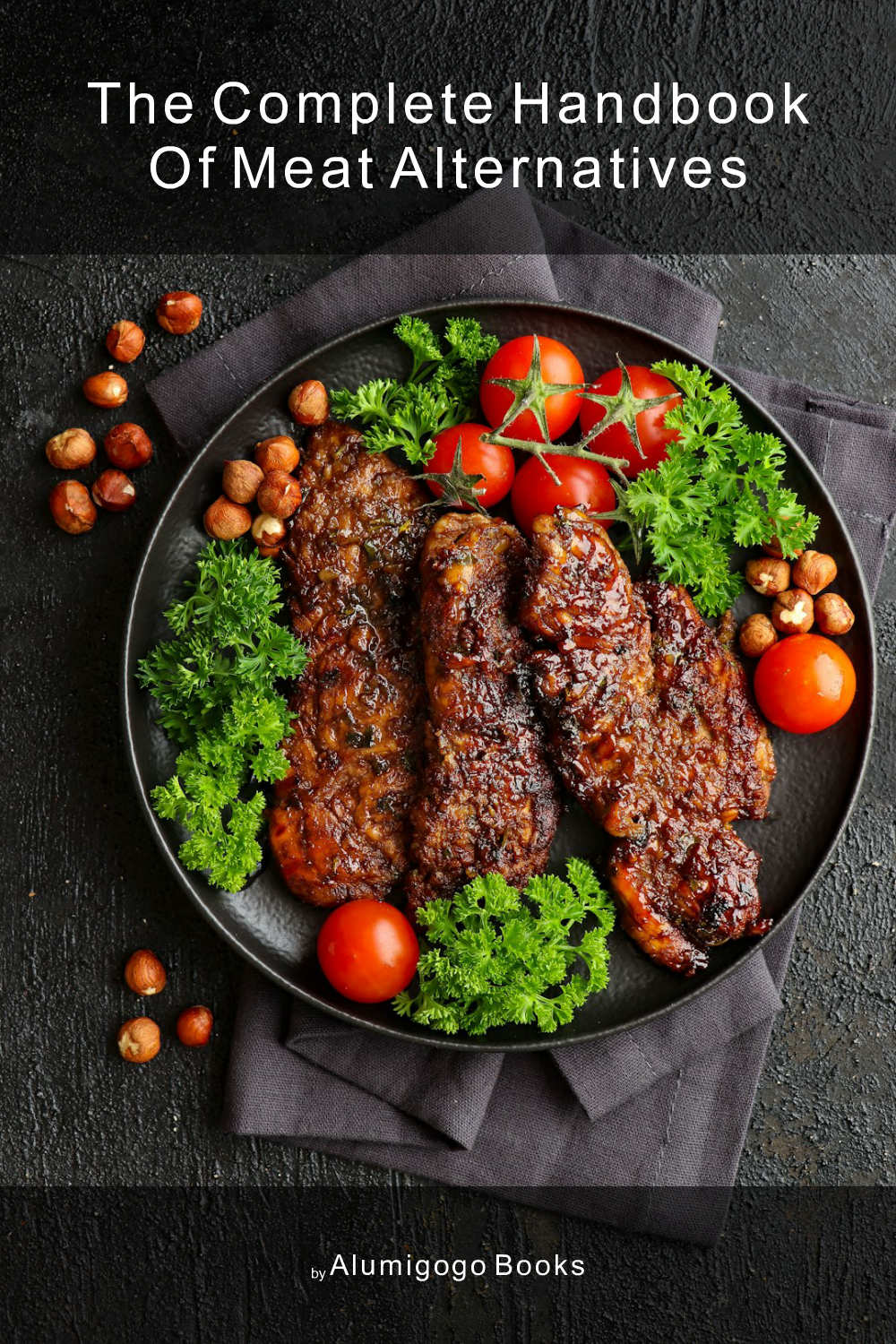
The Complete Handbook of Meat Alternatives
A practical reference for professionals, businesses, and serious enthusiasts who need to select, use, and troubleshoot meat alternatives with confidence.
★★★★★4.3 · 6 reviewsby Alumigogo Books
non-fiction
From tofu to cultivated meat: a practical, neutral reference on selecting, using, and profiting from meat alternatives.
🔒Secure checkout via Stripe
Labor Day Sale
$9
About this book
The meat alternative market is crowded and noisy, with new brands, novel ingredients, and bold claims appearing constantly. Whether you are a chef looking to build a plant-forward menu, a retailer deciding which SKUs to stock, or an entrepreneur evaluating a business opportunity, you need reliable, actionable information. This handbook cuts through the noise, providing a detailed field guide to the entire category.
Structured as a practical reference, the book begins by defining what a meat alternative actually is, including the technology and science behind the main production methods. It then moves into a detailed breakdown of types and specifications, teaching you how to read a spec sheet, understand protein content, and evaluate texture and flavor. You will learn how to choose the right product for your specific context, how to store and cook them properly, and how to troubleshoot common problems like crumbling burgers or rubbery texture.
The second half of the book is devoted to the business side of meat alternatives. It provides an objective overview of major suppliers and brand positioning, and details concrete business models, from simple reselling to developing a private label line. Finally, it looks toward the future of the industry, covering upcoming regulatory changes, novel production methods, and the key associations and certifications you should be familiar with. This is the only handbook you need to navigate this complex category with skill and confidence.
Reader Reviews
Michael Clark
★★★★★I was a bit wary of another book on this topic, but this one is genuinely useful. The chapter on types and specifications alone is worth it - I finally know the difference between texturized vegetable protein and high-moisture extrudate, and how that matters for my restaurant's burger blend. I docked one star because I wish the troubleshooting chapter included a bit more on commercial-scale cooking equipment, but the home and small-batch info is solid.
Jeffrey Williams
★★★★★This is the reference I've been looking for. It's written with a neutral, technical tone that you don't find in most plant-based cookbooks or industry blogs. The breakdown of the science, especially the comparison of extrusion methods, helped me understand why some of my formulations were failing. It's now a permanent fixture on my desk next to my other formula guides. The business chapter is a smart bonus, too.
Kenneth Roberts
★★★★★It's comprehensive, I'll give it that, but I found the first part a bit heavy on theory. I was hoping for more of a direct 'buy this, not that' shopping guide. The business opportunity chapter felt a bit generic, like seeing the same advice for any food product. However, the maintenance and troubleshooting chapter was very practical and had some solid fixes for common issues with my seitan.
Lisa Brown
★★★★★As a retail buyer, I need to quickly evaluate a lot of new products. This book gives me a solid checklist to work through, from protein content to how the product is packaged and its shelf-life claims. The selection framework in chapter 3 is a great tool for our quarterly reviews. It's a little dense in places, but I prefer that over fluff.
Sarah Anderson
★★★★★Finally, a book that explains the 'why' behind the 'how.' The first chapter's discussion of protein texturization was so clear that I finally understood how mycoprotein products get their fiber. I also appreciate the neutral tone; it doesn't try to sell me on a lifestyle, just gives me cold, hard facts. The glossary is perfect for quick lookups during R&D meetings.
Sharon Anderson
★★★★★I run a small catering business and was about to add my own private-label plant-based meatballs to the menu. This book was a lifesaver. The brand and supplier chapter plus the breakdown of co-manufacturing options saved me from making some expensive mistakes. I have already recommended it to my local restaurant association. An essential tool for anyone serious about the food industry.