The Complete Handbook of Parsnips
The practical reference for growers, buyers, and processors of fresh and stored parsnips
★★★★★4.1 · 7 reviewsby Alumigogo Books
non-fiction
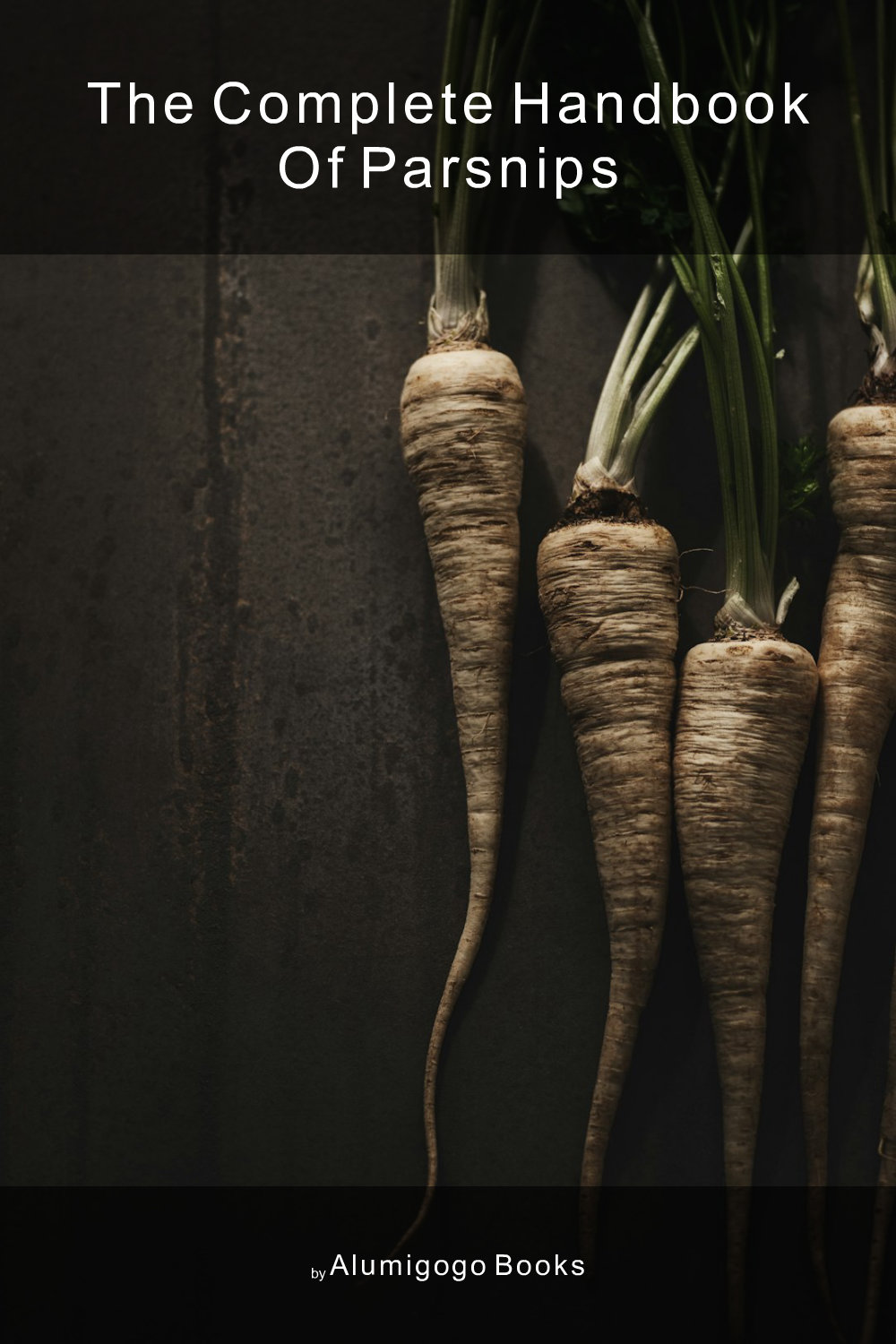
The Complete Handbook of Parsnips
The practical reference for growers, buyers, and processors of fresh and stored parsnips
★★★★★4.1 · 7 reviewsby Alumigogo Books
non-fiction
From field to table: the working professional's guide to buying, storing, and selling parsnips.
🔒Secure checkout via Stripe
Labor Day Sale
$9
About this book
Parsnips are not just a winter root vegetable; they are a carefully timed crop where flavor is unlocked by cold, and profit is made or lost in storage. This handbook is written for the working professional—the grower managing 40 acres, the produce buyer sourcing for a restaurant group, the CSA manager planning storage crops, and the serious gardener who sells at market. It leaves out the gardening poetry and gets down to specifications: brix levels, storage temperature tolerances, cultivar disease resistance, and defect tolerances for wholesale grades.
The book covers the full lifecycle of the product. Part one explains the underlying physiology of the parsnip: why a frost changes starch to sugar, what makes a root woody, and how these factors drive the grading standards used in wholesale markets. Part two is a practical buyer's guide, including how to read a spec sheet, what to check visually and by feel when receiving a delivery, and how to calculate whether to buy by the case or contract for field-run bulk. The final sections cover storage infrastructure, from simple clamp storage to high-humidity refrigeration, and the business side: contracting with grocery chains, selling to processors, or building a winter CSA share around a root crop.
Backed by the working knowledge of commercial practice, not just academic theory, this handbook includes troubleshooting guides for common storage rots and textural defects, a glossary of trade terms, and a forward look at the market trends—such as variety development for flavor rather than just yield. Whether you are moving 100 pounds or 100,000 pounds a year, this is the reference to keep close at hand.
Reader Reviews
Gary Gonzalez
★★★★★I bought this hoping for maybe a chapter on storage, but it really is a complete handbook. The chapter on understanding parsnips is a slog if you already know your way around a root cellar—lots of botany before you get to the how-to. That said, the troubleshooting section on storage rots is the most practical thing I've read, and it saved a bin that would have gone to the cull pile. I wish the purchasing chapter had more on negotiating contracts, but for an operator it's a solid desk reference.
Brian Martin
★★★★★Finally, a book that treats parsnips like a commercial crop instead of a hobby. The section on why frost makes them sweeter, and how that affects when I buy, was worth the price alone. I run a 60-acre operation and the storage specifications in Chapter 5 are exactly what I need to show my crew. It replaced a stack of extension service printouts on my desk. It's not flashy, but it's the most useful reference I own on a single commodity.
Sarah Adams
★★★★★As a produce buyer for a regional grocery chain, I read a lot of vendor material, and most of it is fluff. This book is different. The chapter on types and specifications is exactly what I need to write better purchase orders and to push back on growers who send undersized, woody roots. The part on cost per usable pound versus cost per case changed how I analyze quotes. It reads like a textbook but in a good way—everything is concrete and measurable.
Barbara Harris
★★★★★I'm a market gardener, so a lot of the business chapters about wholesale contracts were over my head, but the fundamentals are spot on. The explanation of the cold conversion process finally made me understand why my first crop was so bitter—I pulled them before a real frost. The glossary in the back is also handy. I just wish the cultivar section had more detail on small-scale organic production. Still, I'm keeping it in the greenhouse office.
John Lee
★★★★★This is the reference I've been looking for since I started doing winter CSA shares. The chapter on storage, both clamp and refrigerated, gave me the confidence to scale up from a few hundred pounds to a couple of tons. The troubleshooting tables are worth their weight in gold—I immediately diagnosed a soggy rot issue that I thought was just bad seed. If you're selling parsnips to a serious customer base, this is the book to have.
Nancy Smith
★★★★★Good, thorough content, though it took me a while to get through the first chapter. It's not exactly light reading, but it's informative. I docked a star because I found the advice on choosing cultivars a little thin for the northern climates I deal with, and I'd have liked a chart on days-to-maturity by region. That said, the sections on receiving quality checks and storage setup are excellent and saved me from a bad order this fall.
James Johnson
★★★★★It's a well-organized book for someone in the trade, no doubt. I'm a restaurant buyer, and I picked it up for the specs and handling stuff, which is all good. My gripe is that the early chapters get too deep into the botany and the soil chemistry for someone like me who just wants to know what to order. The chapter on business opportunities felt like a stretch too. If you're a grower, you'll love it. For a buyer, it's useful but you'll skim a lot.