The Complete Handbook of Persimmons
A field reference for growers, distributors, retailers, and culinary professionals on selection, handling, variety identification, storage, processing, and market use of Diospyros kaki and related species
★★★★★4.0 · 6 reviewsby Alumigogo Books
non-fiction
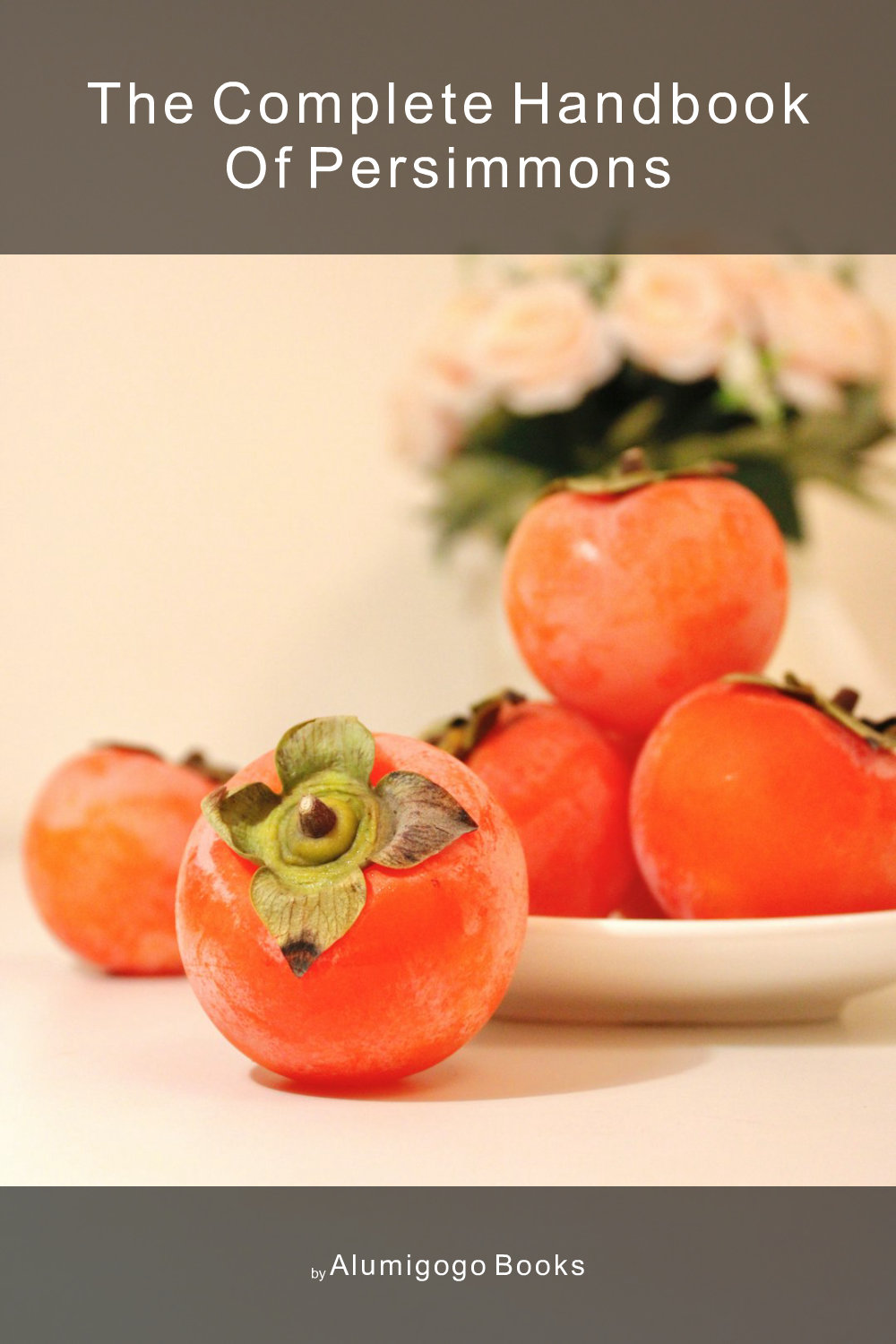
The Complete Handbook of Persimmons
A field reference for growers, distributors, retailers, and culinary professionals on selection, handling, variety identification, storage, processing, and market use of Diospyros kaki and related species
★★★★★4.0 · 6 reviewsby Alumigogo Books
non-fiction
A practical reference for anyone who buys, sells, grows, or processes persimmons: varieties, handling, storage, troubleshooting, and market specifics.
🔒Secure checkout via Stripe
Labor Day Sale
$9
About this book
The common persimmon is easy to grow and hard to handle. Fruit that leaves the tree astringent and rock-hard can be sold for months; inattentive handling can turn a premium crop into a loss. This handbook provides the working knowledge that professionals and serious growers need: how astringency and tannins actually behave, how to identify and specify the major cultivar groups, and how to manage ripening and storage to reduce shrink and waste.
The book walks through the supply chain in the order you encounter it. First, it defines the product and the botanical and chemical processes that distinguish it from other fruit. Next, it sets out the cultivar and grade specifications that matter in commercial transactions. Then it covers buying decisions, ripening, handling, and processing, followed by a troubleshooting guide for the problems that cause most commercial losses. A dedicated section covers the supplier landscape and realistic business opportunities, from harvesting services to processing ventures, and a final chapter looks at where the category is heading, from new cultivars to changing regulation.
Written for buyers, warehouse managers, culinary professionals, orchardists, and serious enthusiasts, this handbook avoids fluff and opinion. It gives you verified, practical information, framed around the real decisions you make and the problems you encounter.
Reader Reviews
Timothy Wright
★★★★★Bought this to sharpen up our produce category knowledge before the autumn season, and it did its job. The chapter on choosing the right type for foodservice versus retail was the most practical thing I've read on persimmons; it clearly showed why we were having shrink issues on Fuyu. The tone is dry and reference-like, which is what we wanted, but the print could have been a bit bigger. Minor gripe, but I'm keeping it on my desk.
Timothy Garcia
★★★★★For someone setting up a small processing operation, the breakdown of astringency and how to remove it was worth the cover price. The steps are concrete, not vague advice. It's not the kind of book you read for enjoyment, but it's well organized for the times when you need to look something up. I did find the troubleshooting chapter a little shallow on the fungal side, though. We had to cross-reference elsewhere for a storage mold issue we had.
Christopher Rivera
★★★★★A genuinely helpful manual for a fruit that most books treat as an afterthought. The clarity on pollination variants and the 'when to buy which type' sections were exactly what I needed to make better picks for my fruit stand. I dock one star because the business opportunities chapter feels a little optimistic; the specifics are sound, but the overall market size is quite small, so a rookie could misjudge the demand. Otherwise, this is a reliable reference.
Jessica Jones
★★★★★Finally, a book that explains the difference between astringent and non-astringent without making my head spin. I'm a professional pastry chef, and the handling and ripening chapter saved me a few bushels before the holidays from turning to mush. It reads like a textbook, which is fine by me. The only downside is that I wish there had been more on freezing and using the pulp in baked goods; the book skims over that part compared to the fresh fruit handling.
Shirley Johnson
★★★★★We have a small orchard and mostly deal with local markets, so the global importer info is less relevant, but the cultivar specs are spot on. The book helped me realize I was harvesting my Hachiya too early, and the guide for that is now taped to the inside of our shed. It's a little too focused on commercial operations for a hobbyist like me, which is why it loses a star, but it's still more useful than anything else I've found.
Lisa Carter
★★★★★As a buyer, I appreciate that this handbook gives you the actual specs before you talk to a vendor. The chapters on grades and on astringency removal are clear, and the glossary at the end is handy for training new staff. It's dense in places and could use a few more photos, but for the practical information it contains, it is a solid desk reference. I've already recommended it to my counterpart at another chain.