The Complete Handbook of Plums
A professional's field guide to selecting, storing, handling, and profiting from fresh plums.
★★★★★4.3 · 8 reviewsby Alumigogo Books
non-fiction
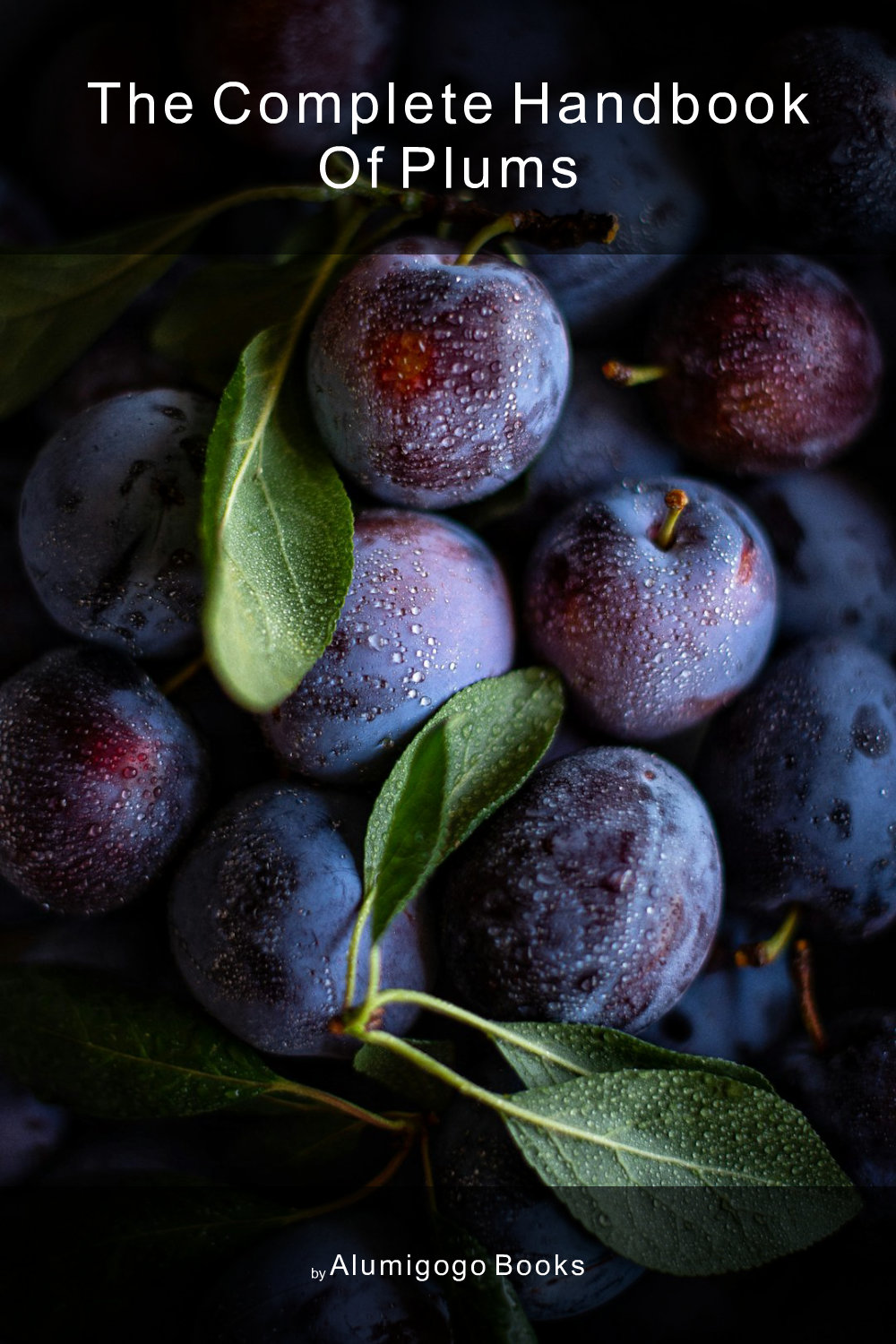
The Complete Handbook of Plums
A professional's field guide to selecting, storing, handling, and profiting from fresh plums.
★★★★★4.3 · 8 reviewsby Alumigogo Books
non-fiction
From orchard grading to wholesale buying, cold storage, and resale — the complete commercial reference for fresh plums.
🔒Secure checkout via Stripe
Labor Day Sale
$9
About this book
Whether you are a wholesale produce buyer sourcing pallets of Santa Rosas, a chef building a summer dessert menu, or a specialty grocer looking to reduce shrink, handling plums correctly requires a specific set of practical skills. This handbook strips away anecdote and marketing fluff to deliver a focused, technical understanding of the plum supply chain. It explains what actually determines eating quality, how to decode USDA grade standards, and why a 22-pound lug from one grower can be a completely different product than the same box from another.
The book is built for daily use in the field, warehouse, and kitchen. It covers the major variety families and their seasonal windows, provides actionable guidance on pressure testing and brix measurement, and details the exact temperature and humidity parameters that prevent chilling injury and internal breakdown. It also includes a dedicated troubleshooting section for common defects like internal browning, split pits, and mealiness, so you can diagnose what went wrong and adjust your handling protocols.
Beyond the fruit itself, 'The Complete Handbook of Plums' maps the commercial landscape. It profiles how different grower-shippers position themselves in the market, from commodity volume players to premium varietal specialists, and outlines concrete business models for those looking to enter the space — from wholesale reselling and ripening-room services to private-label dried plum products. It also projects future market shifts driven by new cultivar development and changing consumer preferences, and directs you to the standards bodies and research institutions that publish the most current data.
Reader Reviews
Gary Adams
★★★★★I've been in produce buying for eight years and I still found useful details here, especially the section on diagnosing internal breakdown vs. just soft fruit. That said, the chapter on future trends felt a bit thin, and I wish the supplier profiles had actual names instead of the generic 'grower-shipper' categories. It reads a little like a textbook sometimes, but for reference purposes it gets the job done.
Timothy Martin
★★★★★Finally, a book that doesn't treat plums like a casual grocery item. The breakdown of USDA grade standards and how they actually apply to wholesale purchasing was worth the price alone. I've already used the receiving checklist to push back on a shipment that wasn't up to spec, and the explanation of chilling injury has completely changed how we set our cooler temperature. This is going to be dog-eared in my office for a long time.
Andrew Smith
★★★★★If you run a farm stand or a local food business, this is the manual you need. The section on choosing the right variety for different markets was gold, and I appreciated the honest talk about how a high-brix fruit isn't always the best-tasting one. It's dense, but it's practical. I've already recommended it to a few other growers I know.
Anthony Smith
★★★★★A very solid and thorough reference. I'm a pastry chef, and the chapter on understanding the physiology of ripening has genuinely helped me get better fruit for my poached plum tart. I took off one star because the glossary, while helpful, left me wanting a few more terms specific to cold storage logistics. The writing is dry, but that's what you want for a technical manual.
Jeffrey Jackson
★★★★★Good practical advice, especially on the receiving and inspection side of things. I run a mid-sized restaurant group and it's helped me standardize how our chefs check produce. Some checklists feel overly engineered for a warehouse environment rather than a busy kitchen, but the core info is solid and reliable. I'll keep it for reference.
Sandra Wilson
★★★★★This book is a masterclass in a subject you didn't realize you needed a masterclass in. The explanation of why 'firm' plums from the store often stay hard and mealy was a revelation, and the advice on ripening at specific temperatures just works. I run a specialty fruit import business, and this has already saved me from a costly mistake with a batch of black plums. A new standard reference for my team.
Amanda Perez
★★★★★A well-organized handbook for anyone serious about buying plums in bulk. I particularly liked the detailed comparison of variety groups — it’s not just 'red vs. black.' It gave me clear language to talk to my supplier about what I actually wanted. My only minor gripe is that some of the practical examples assume you live in a major produce hub, which isn't the case for me.
Angela Green
★★★★★As a grocer, I found the troubleshooting section extremely valuable. Mealiness is the bane of my existence, and understanding it's a storage temperature issue rather than a 'bad batch' has been a game changer for my ordering protocols. It's perhaps more technical than some of my staff need, but for me as the produce manager, it's right on the mark. The business opportunities chapter was also more nuanced than I expected.