The Complete Handbook of Quince
A Field Guide for Buyers, Growers, and Processors: Selection, Handling, and Commercial Use of Cydonia oblonga
★★★★★4.8 · 4 reviewsby Alumigogo Books
non-fiction
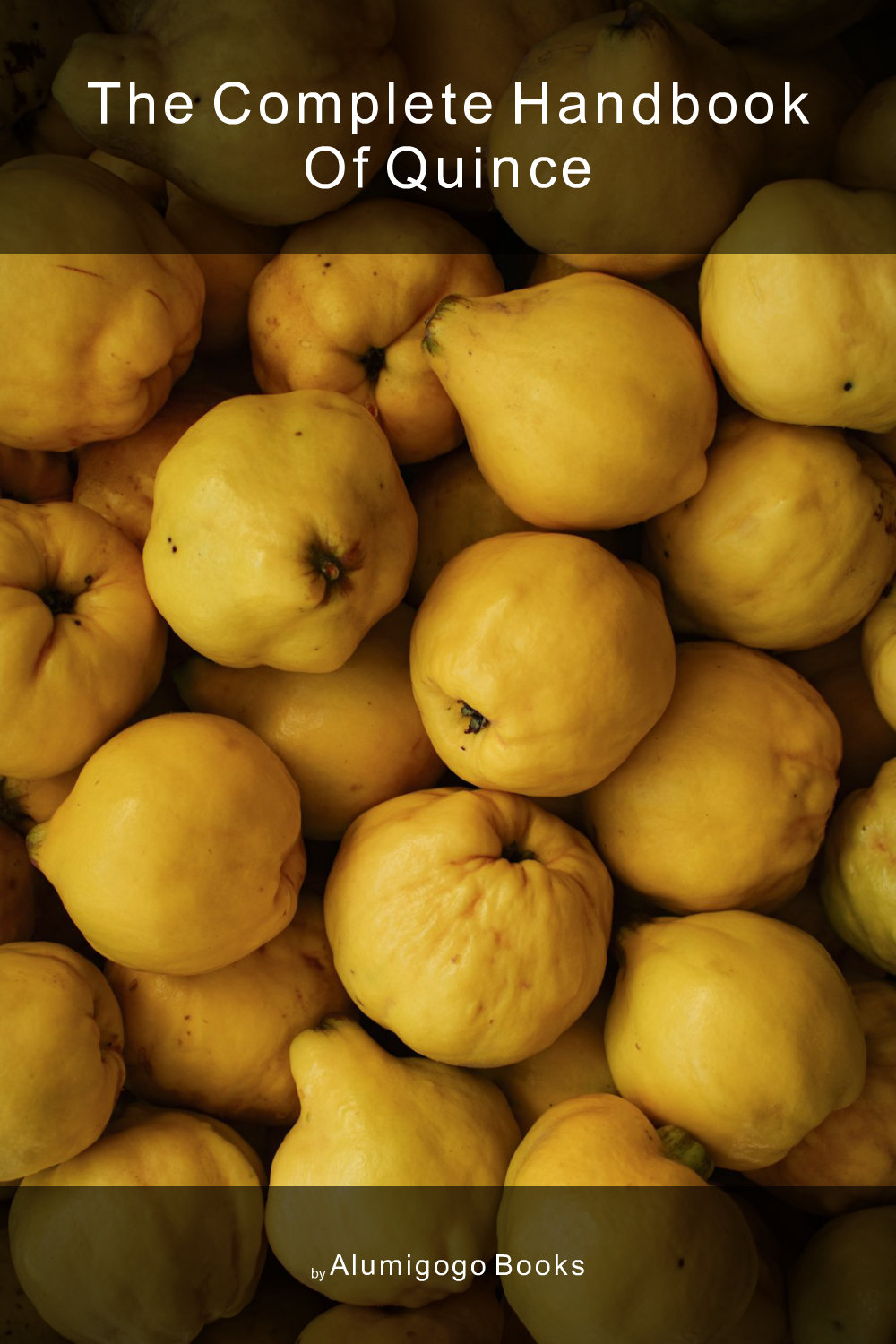
The Complete Handbook of Quince
A Field Guide for Buyers, Growers, and Processors: Selection, Handling, and Commercial Use of Cydonia oblonga
★★★★★4.8 · 4 reviewsby Alumigogo Books
non-fiction
The practical reference for buying, growing, and processing quince: cultivars, grades, handling, storage, and commercial use.
🔒Secure checkout via Stripe
Labor Day Sale
$9
About this book
Quince is a difficult fruit. It's rock-hard when raw, astringent and gritty straight off the tree, and nearly inedible until cooked. But it also produces some of the most prized products in the specialty food world: deep amber membrillo, high-pectin jelly, aromatic liqueurs, and a unique perfume that fills a kitchen when slowly cooked. The problem is that most of the working knowledge about quince lives in decades-old agricultural bulletins or in the heads of a few veteran growers. This handbook fixes that.
Covering the full commercial and serious-hobbyist lifecycle, this book walks you through every decision point: identifying the correct cultivar for your climate and product, understanding USDA grade standards and what they don't tell you, proper cold storage and ethylene management, the science of converting insoluble flesh into silky paste, and the regulatory landscape for selling quince products. It also covers the business side - how to position a quince product line, who the major buyers are, and what wholesale pricing structures actually look like.
Written for professionals who need precise answers, this is not a coffee-table book. It's a working reference with specific temperatures, brix ranges, pH targets, and storage windows - the kind of detail that determines whether your first commercial batch of membrillo sets properly or turns into gritty, grainy syrup.
Reader Reviews
Cynthia Garcia
★★★★★Finally, a quince reference that isn't a glorified recipe blog. I'm a commercial processor and the chapter on choosing cultivars by brix and pectin content alone saved me from a bad batch of membrillo. The storage specs (temperature, ethylene) are spot-on and actually match what I see in the field. I've bought and annotated more expensive pomology texts that have less practical detail. Worth every penny.
Linda Lopez
★★★★★I run a small specialty fruit farm and this is now my go-to recommendation for anyone who asks about growing quince. The breakdown of Aromatnaya vs. Smyrna for different climates and uses is the clearest I've seen. I particularly appreciated that it doesn't oversell the crop - it acknowledges the labor and the storage challenges honestly. If you're thinking about adding quince, buy this first.
Anthony White
★★★★★Good solid reference, though I wish it had a bit more on the ornamental side of things - I primarily grow quince for garden landscaping, not fruit production. The chapters on fruit processing were more detailed than I needed, but the troubleshooting section on leaf blight and rust was genuinely helpful. It's clearly written for commercial operators, which is fine, just not what I expected. I'll still keep it on the shelf.
Ronald Hill
★★★★★This is the handbook I've been searching for. As a hobbyist who has been making quince jelly for years, I thought I knew the basics, but this corrected several misconceptions I had about ripeness indicators and the blanch-and-squeeze method. The chemistry section on why the fruit gets gritty or rubbery is worth the price alone. It reads like an experienced mentor talking you through the process, and the glossary is a great quick reference. I've already pre-ordered a copy for a friend who's starting a u-pick orchard.