The Complete Handbook of Rivets
Selection, Installation, and Maintenance for Professionals and Serious Hobbyists
★★★★★4.0 · 3 reviewsby Alumigogo Books
non-fiction
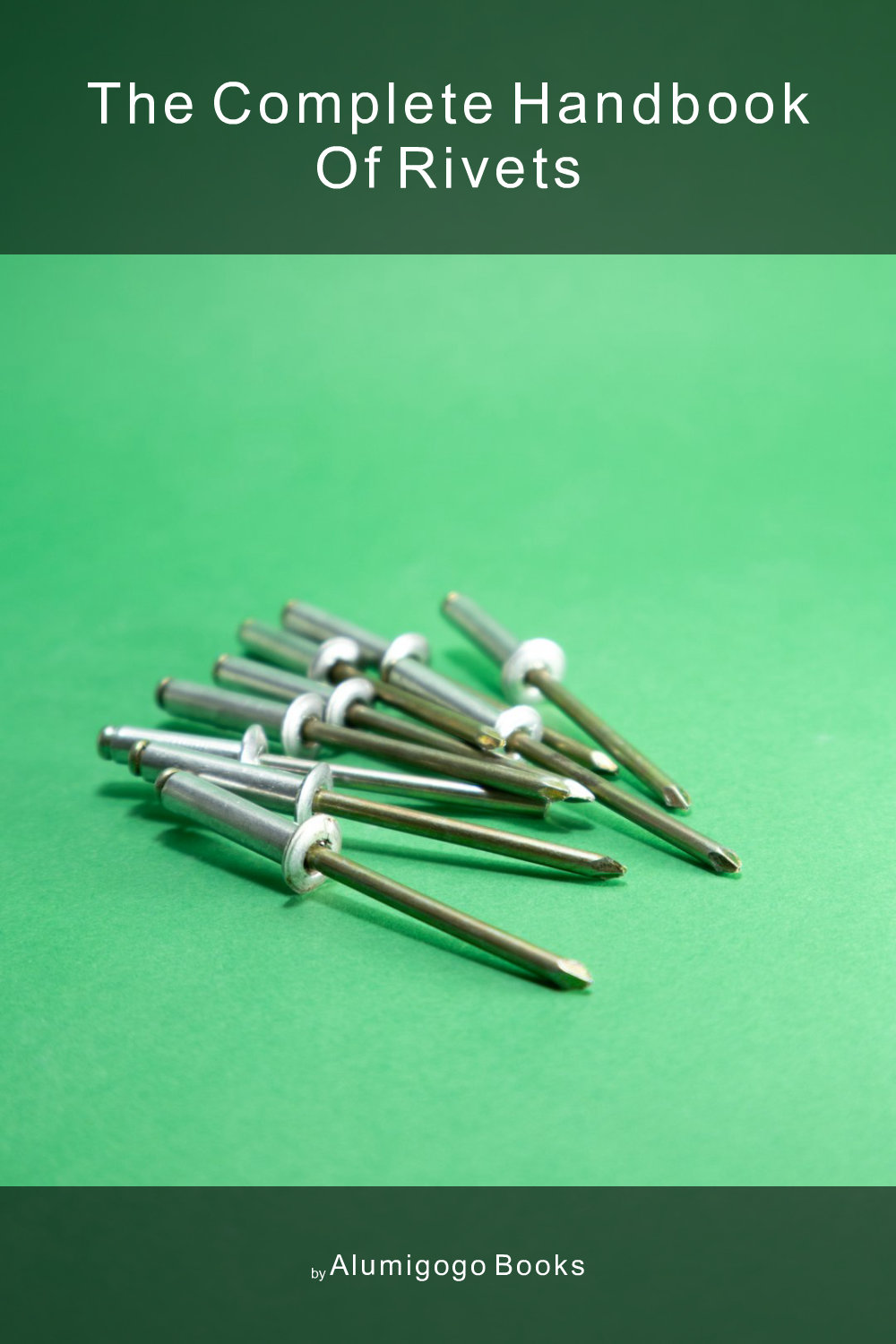
The Complete Handbook of Rivets
Selection, Installation, and Maintenance for Professionals and Serious Hobbyists
★★★★★4.0 · 3 reviewsby Alumigogo Books
non-fiction
The definitive field reference on rivets: metallurgy, specs, installation, troubleshooting, and sourcing. No fluff. Just what you need to get the joint right.
🔒Secure checkout via Stripe
Labor Day Sale
$9
About this book
Rivets are among the oldest and most reliable fasteners in existence, yet choosing the right one for a modern application is a surprisingly complex decision. Alloy, temper, head style, grip range, hole tolerance, and installation tooling all affect the integrity of a joint, and getting any of them wrong can mean premature failure or a rework on the shop floor. The Complete Handbook of Rivets cuts through the marketing gloss and disjointed datasheets to provide a single, organized reference for anyone who specifies, installs, or sells these fasteners.
Inside, you will find a clear description of how different rivet types behave under load—from solid and blind rivets to structural and specialty fasteners—and the specific mechanical properties (shear strength, tensile strength, corrosion resistance) that matter in a given environment. The book walks you through a practical decision framework, detailed installation procedures with torque and pressure settings, and a robust troubleshooting section to diagnose joint failures before they become costly problems. It also covers the business side of rivets: how to source from major manufacturers, what to look for in a supplier, and realistic opportunities in distribution and servicing.
Written in a neutral, instructive tone, this handbook is designed to sit on the workbench of an aircraft maintenance technician and serve as the desk reference of a project engineer. It is not a collection of product pages; it is a body of practical knowledge—grounded in physical principles and real-world usage—that gives you confidence in every riveted joint you touch.
Reader Reviews
Margaret Robinson
★★★★★Pretty solid reference overall. I wanted something beyond the manufacturer datasheets that all contradict each other, and this delivers. The first chapter on load transfer and why joint design matters was genuinely helpful, not just theory. I docked a star because it occasionally skimmed over some of the more niche aerospace specifics I was hoping for, but for general industrial use? Definitely the book I reach for on the workbench now.
George Nelson
★★★★★Typical handbook from a serious imprint - you can tell an actual editor had a hand in it, because the chapters flow and cross-reference nicely. What sold me was the troubleshooting section; being able to diagnose corrosion issues in a marine environment saved me at least a day of headaches on the boat. It's denser than I expected for an 'handbook', but that's not a bad thing. If you work with fasteners regularly, it's worth the shelf space.
Angela Green
★★★★★Good practical guide for a specific problem: I run a small metal fabrication shop, and my old supply rep retired, leaving me with a ton of loose ends on reliable sourcing. This handbook gave me the vocabulary and the standards to actually compare bids from new suppliers, and the breakdown of when to use a solid rivet over a blind one has been useful on several projects now. Four stars not five because it's most useful as a reference you flip through rather than a read, but that is what it is for. Recommended.