The Complete Handbook of Tofu, Soy & Vegetarian Products
A professional's field guide to selecting, using, and profiting from tofu, soy, and vegetarian products — from ingredient science to commercial application.
★★★★★4.0 · 4 reviewsby Alumigogo Books
non-fiction
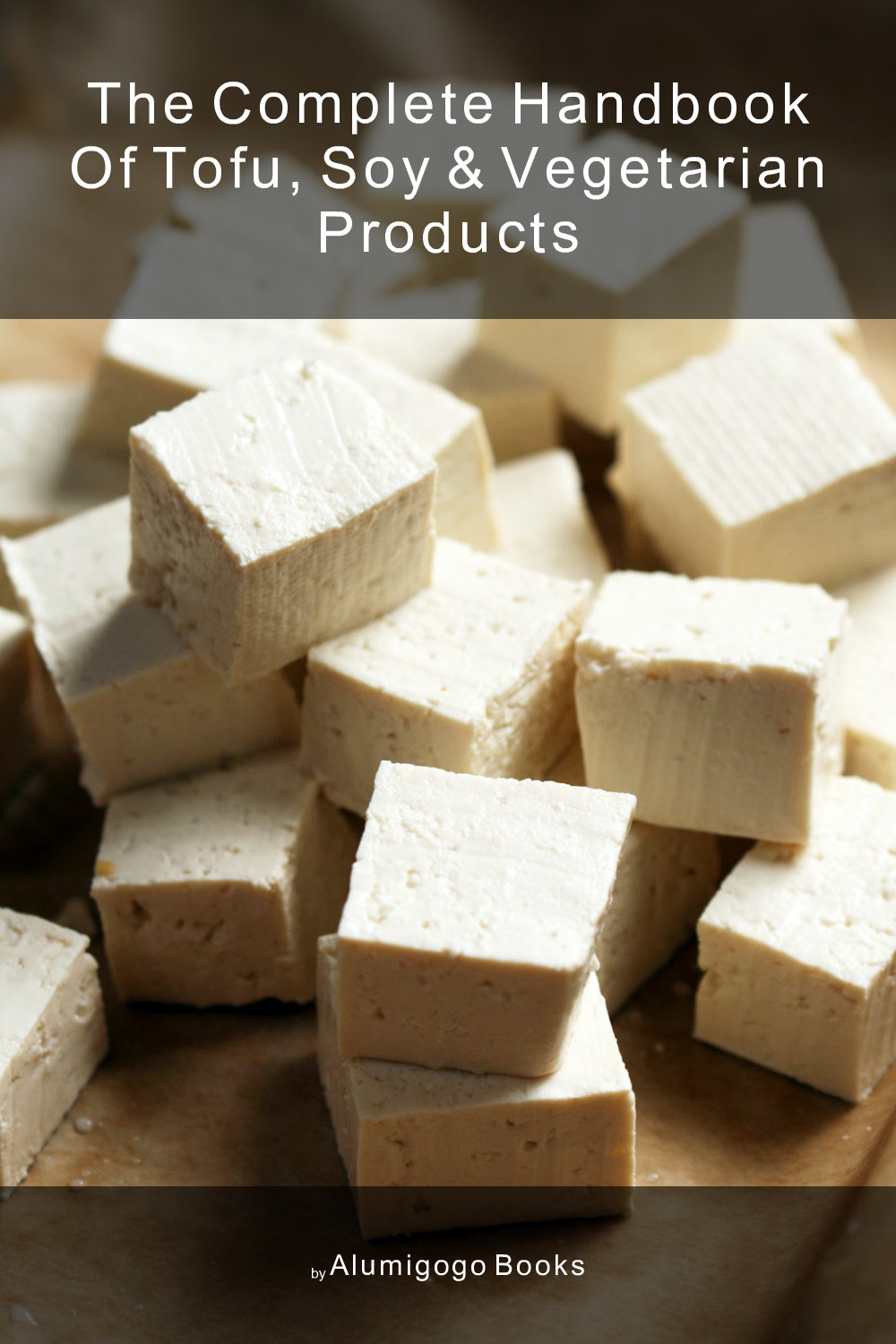
The Complete Handbook of Tofu, Soy & Vegetarian Products
A professional's field guide to selecting, using, and profiting from tofu, soy, and vegetarian products — from ingredient science to commercial application.
★★★★★4.0 · 4 reviewsby Alumigogo Books
non-fiction
From coagulant chemistry to commercial buying specs — the complete practical guide to tofu, soy, and vegetarian products.
🔒Secure checkout via Stripe
Labor Day Sale
$9
About this book
If your business buys, sells, or serves tofu, soy-based meat alternatives, or vegetarian proteins, you know the problem: packaging says "firm" or "plant-based," but that tells you almost nothing about how it will behave on the line, in the fryer, or under a labeling claim. This handbook gives you the working knowledge that manufacturers assume you already have. It covers how coagulant choice (nigari, calcium sulfate, GDL) changes texture and yields; how to test protein content and water-holding capacity in your own kitchen or lab; and how to specify products by the parameters that matter — not by marketing labels.
The first half of the book is practical selection and handling: matching product texture to application, using silken tofu in emulsions versus extra-firm in braises, and proper storage to prevent spoilage or textural breakdown. The second half moves to operations and opportunity: troubleshooting common failures like curdled sauces or rubbery pressed tofu; understanding the manufacturer landscape from commodity producers to specialty artisan lines; and concrete business models, including private labeling for the booming refrigerated plant-based category.
Written for professionals and serious enthusiasts, the book avoids both vegan advocacy and industry hype. It is a reference manual: clear specifications, honest cost comparisons, and reproducible procedures. Whether you are a restaurant chef spec'ing a new supplier, a retail buyer comparing SKUs, or a consultant entering the plant-based space, this is the book that gets you to a defensible decision without guesswork.
Reader Reviews
Elizabeth Nelson
★★★★★It's a solid reference and I've used it to re-spec our house tofu blend, so no regrets on buying it. But I found the first chapter a little dense on the chemistry side, and I expected more troubleshooting tables for restaurant volume. The business chapter is useful but a bit thin on actual pricing data; I had to cross-reference elsewhere. It's a good desk book, just not the complete toolkit the blurb implies.
Jessica Jackson
★★★★★I'm a specialty grocery buyer and this is the first book that actually talks about water-holding capacity and freeze-thaw stability instead of just repeating 'firm, silken, sprouted.' The supplier questionnaire in chapter 3 is worth the price alone. I dropped it a star only because the brand landscape chapter was written from a US-centric view and skipped several strong Asian manufacturers we carry. Still, I've already reorganized our tofu shelf based on it.
Anna Davis
★★★★★As someone who runs a small plant-based deli, I really appreciated the honest cost-per-portion section and the press/fry protocols that actually work for service. The chapter on selecting the right product for application saved me from a batch of rubbery 'extra firm' I would have used for a silken-style dessert. The writing is dry and very manual-like, which I like, though a few photos would help. Overall, a practical, no-hype manual that earns a spot on the prep room shelf.
William Moore
★★★★★This is the reference I have needed for ten years. I work in R&D for a plant-protein manufacturer and have annotated the copy I own; the coagulant science chapter alone is more accurate and clearer than several food-science papers I've read. The business opportunities section is realistic, not fluff, and the troubleshooting guide for cracked skins and broken emulsions is exactly what our QC team uses. It reads like an editor who actually ran a tofu line wrote it. My only regret is waiting for the paper edition.